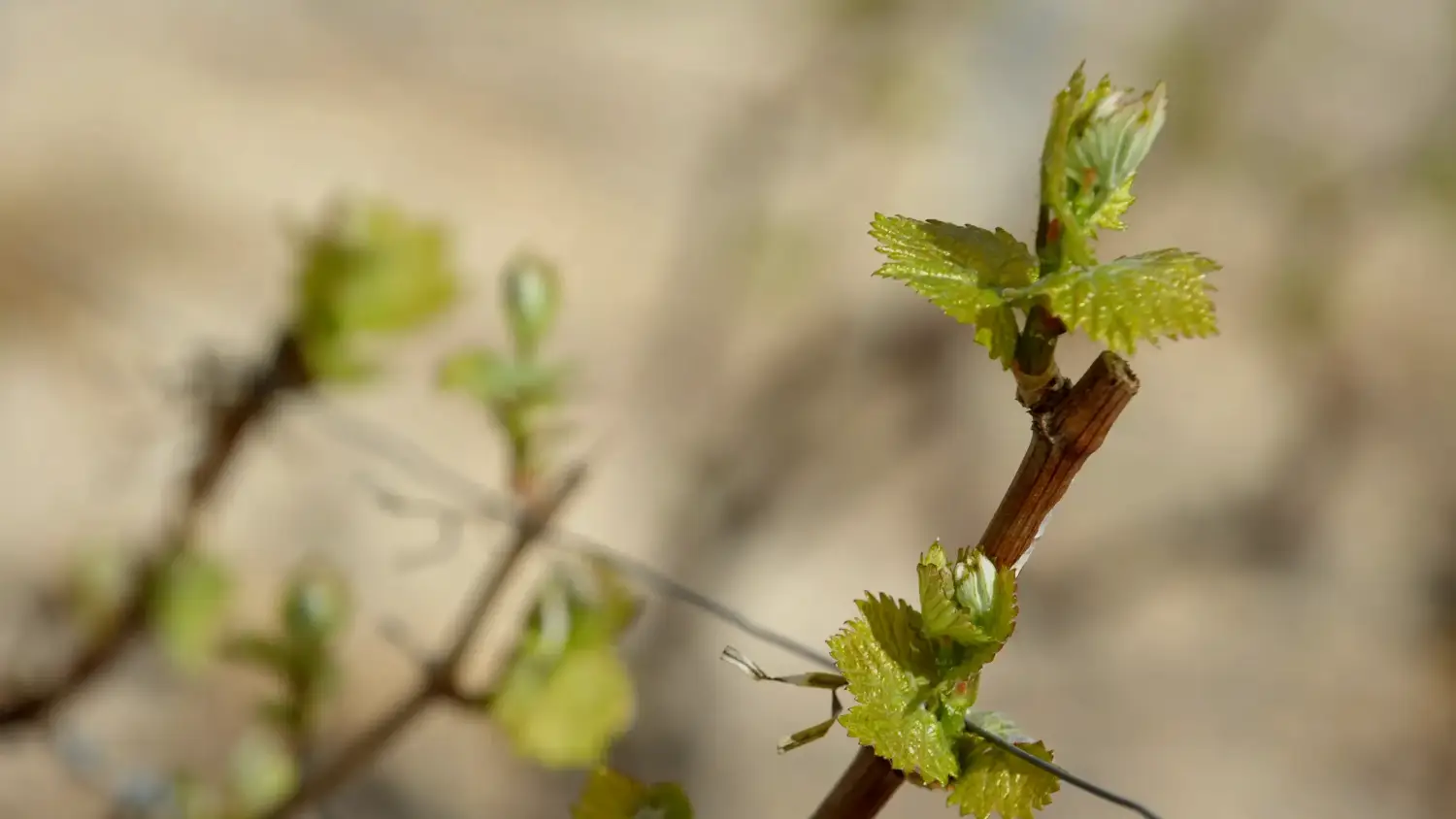
We reject dogmas that ignore the reality of the field and the profession. We work with passion and full awareness of our responsibilities and the challenges of tomorrow.
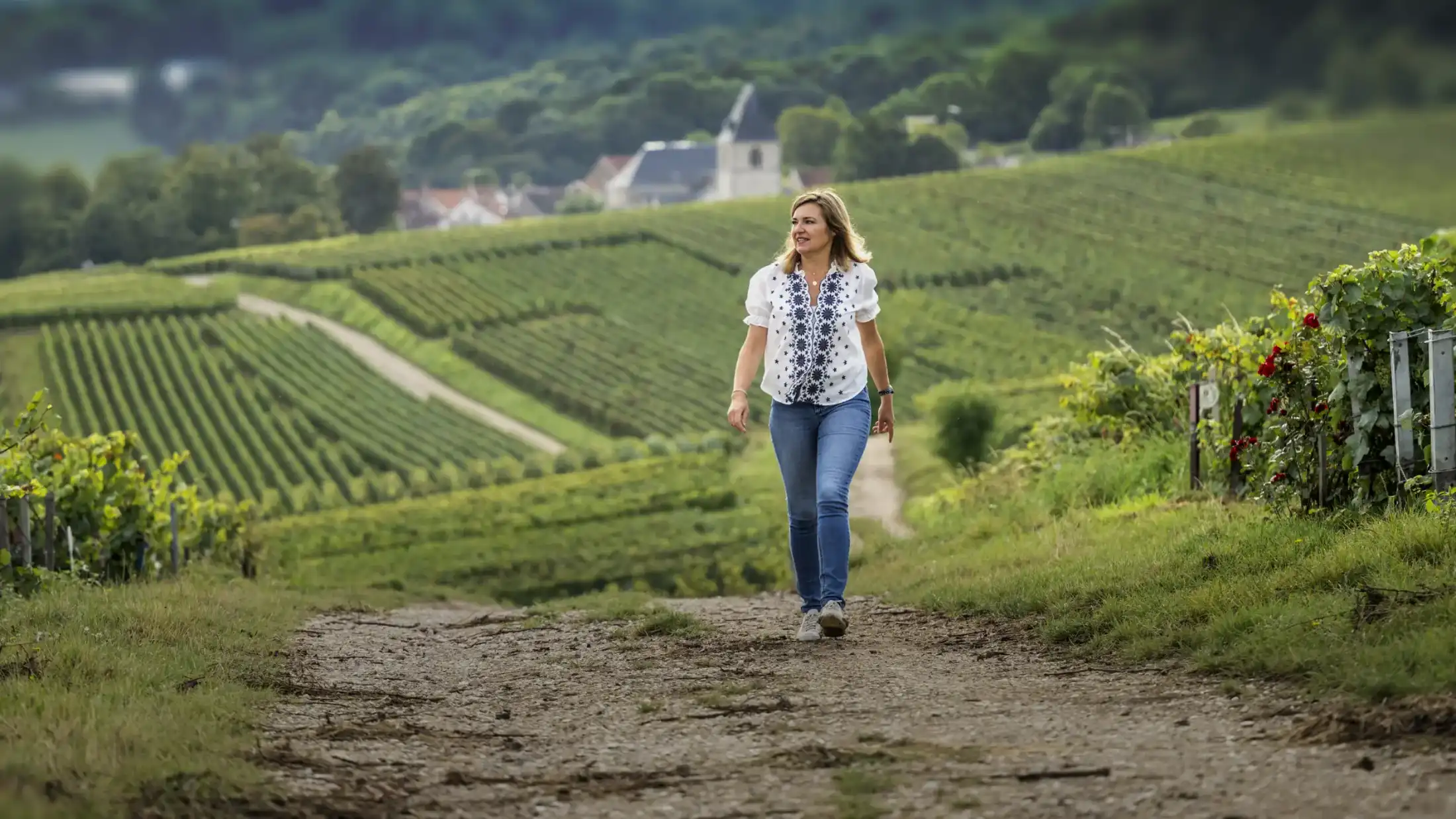
"According to my own definition, a Naturephile is someone who loves Nature and acts conscientiously to protect it."
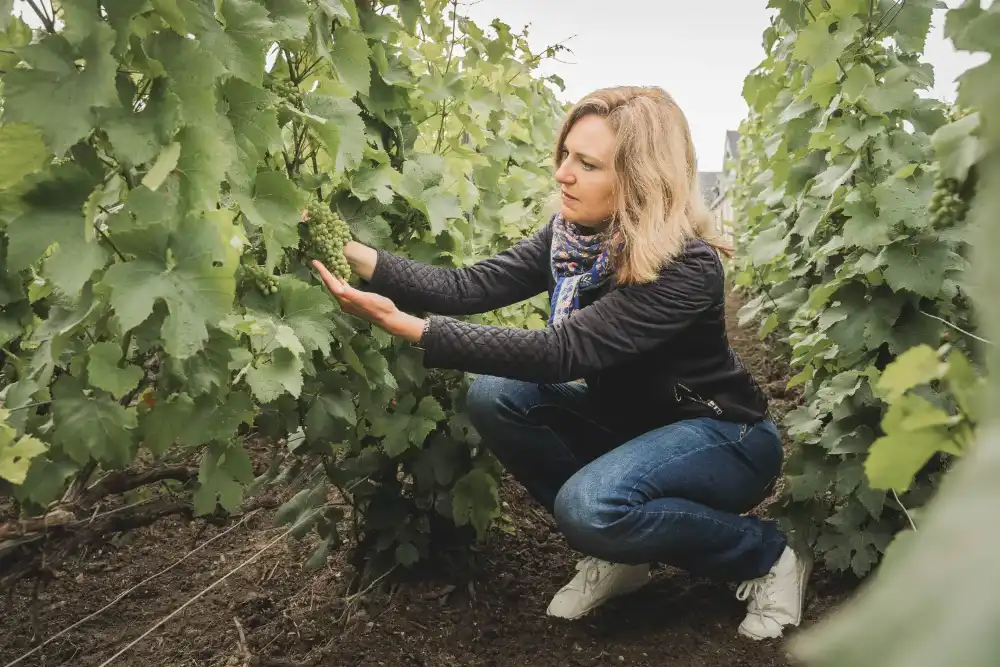
Observation is at the heart of our approach to winegrowing. To maintain living soils and healthy vines, we must scrutinize, listen to, and interpret the signals from Mother Nature....
Observation and consideration of each plot as a unique entity.
Observation requires experience and expertise to interpret its signals. Each plot is considered a unique being, receiving specific care according to its age, exposure, vigor, soil life, etc. Each plot is considered a unique entity and receives specific care based on its age, exposure, vigor, soil life, etc. Protecting nature and biodiversity is at the heart of our concerns in order to pass on a healthy Earth to future generations. To preserve old vines, they must be cared for.
Pruning is strict and rigorous in order to limit yields and ensure aromatic concentration in the grapes (Cordon de Royat pruning for Meuniers and Pinots noirs, Chablis pruning for Chardonnays). Pruning in Premiers and Grands Crus is time-consuming and technical in order to limit the quantity of grape clusters and ensure the aromatic richness of the individual grapes.
The tying is precise to guide the vine and ensure good aeration of the vegetation to come.
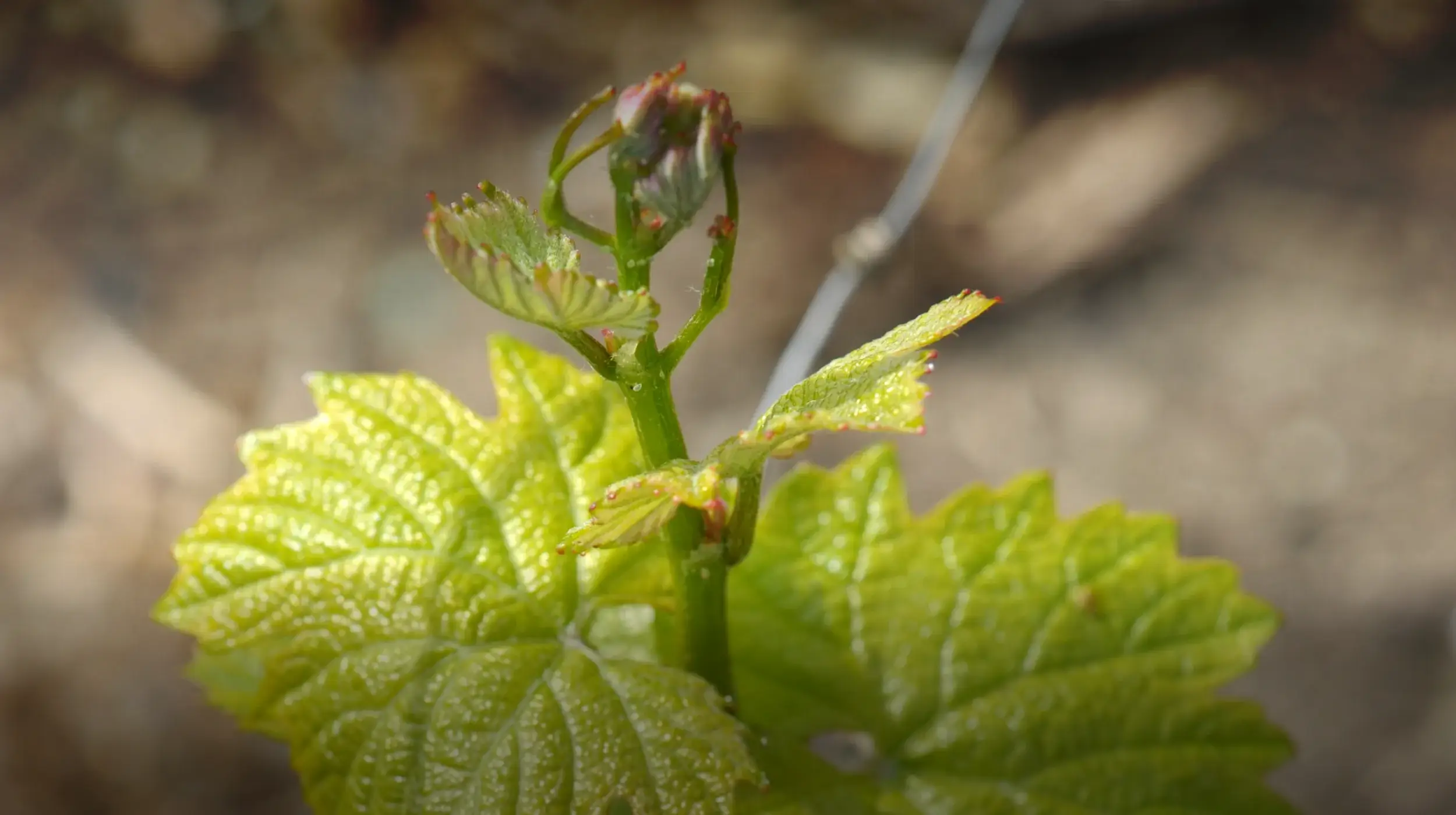
Bud removal, also known as green pruning, involves removing non-fruit-bearing shoots in May. This encourages sap to flow towards the future grapes and limits the amount of foliage. This allows the vine to be better aerated, breathe, and have moisture blown away by the wind. It is the best natural defense against mildew, powdery mildew, and rot.
Trellising consists of untangling the branches by placing clips between each shoot to aerate the grapes. The team is reinforced in May. This is an essential step before desuckering, and will allow for optimal ripeness at harvest time. Good trellising prevents rot and disease. It is a very effective ecological control method.
"It is in the precision of the work in the vineyard that great wines are born..."
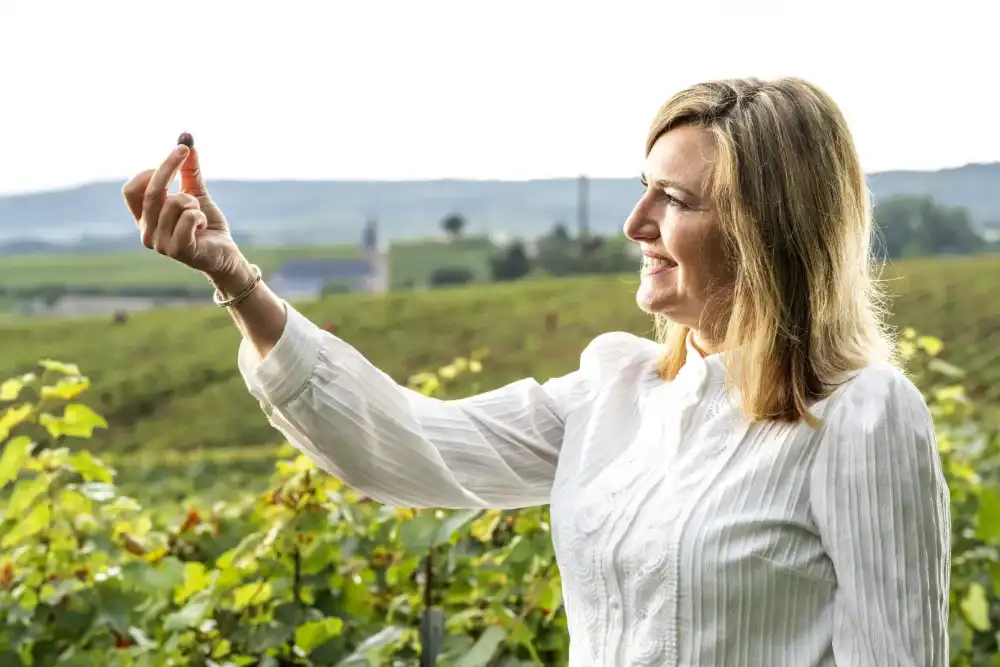
Our wines are certified free of pesticide residues. We are certified in sustainable viticulture and High Environmental Value Level 3.
Committed to virtuous viticulture since 1999...
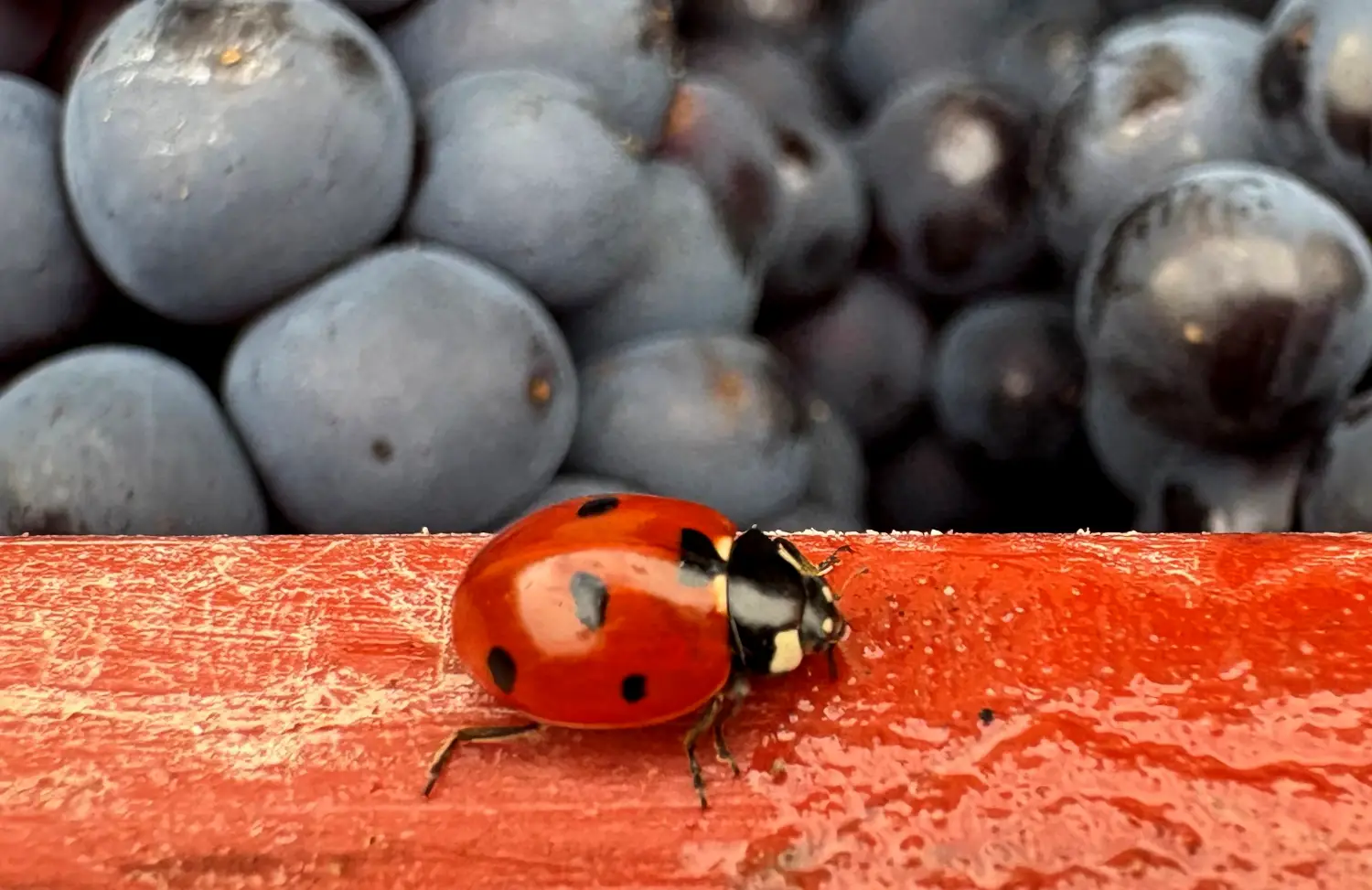
The analysis for pesticide-free certification was conducted on our perpetual reserve, which has been stored in a vat since the 1996 harvest. A COFRAC-accredited laboratory conducted molecular testing for 189 potential substances. Soil analyses enable us to adapt our practices by applying natural mineral fertilizers in extremely precise quantities. Our ecological commitment dates back to 1999, when Chigny les Roses was a pilot site for testing the effectiveness of racks in combating grape worms. We have therefore not used insecticides since that date... We are HVE level 3 certified.
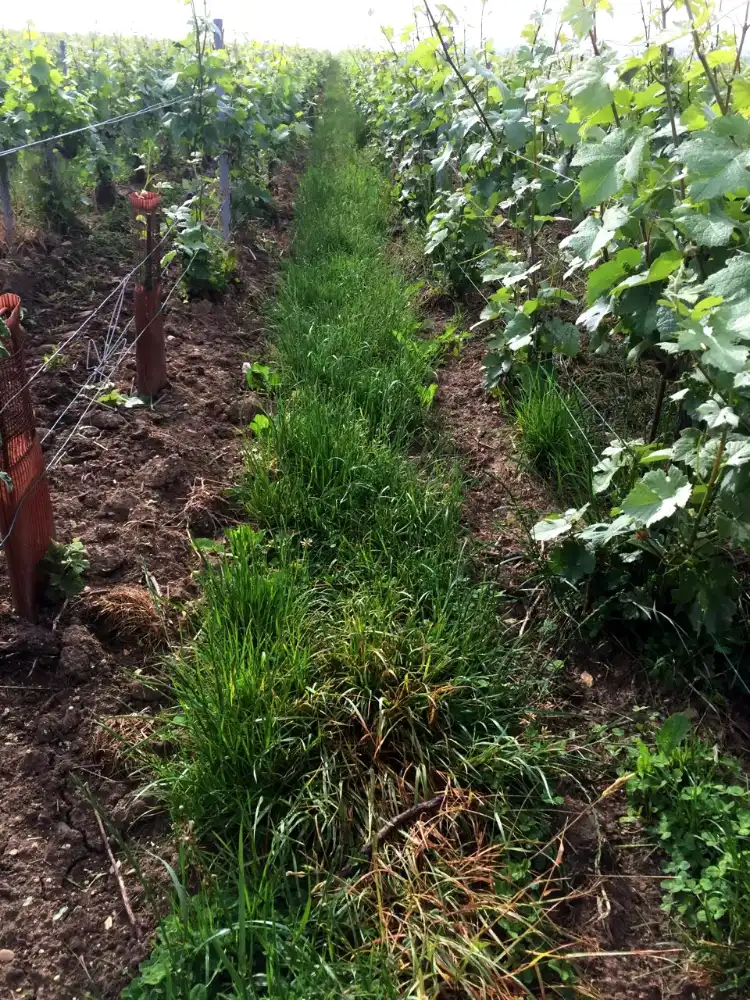
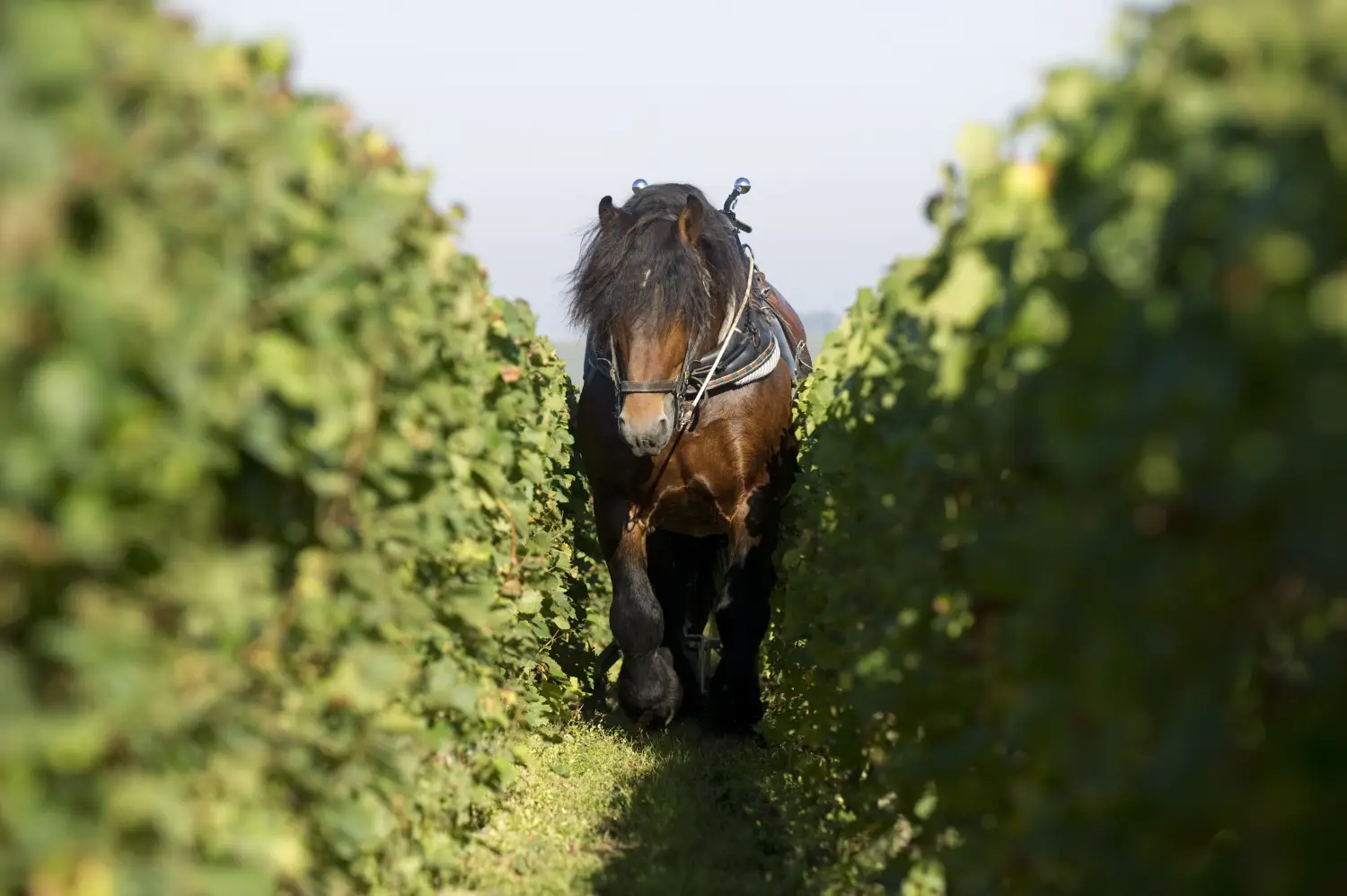
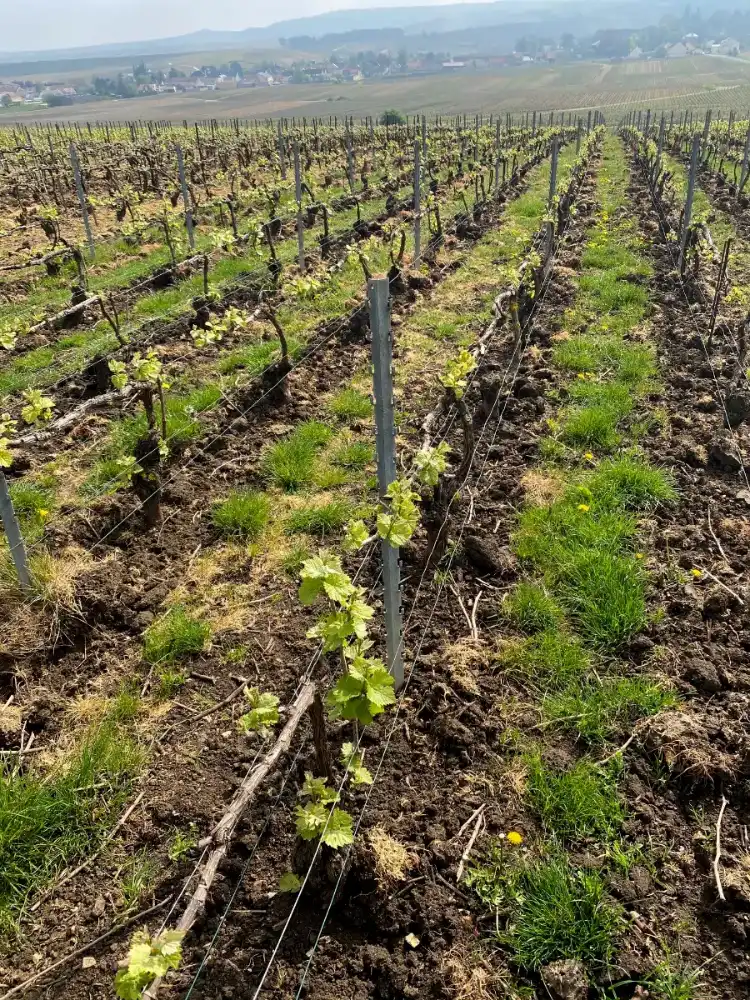
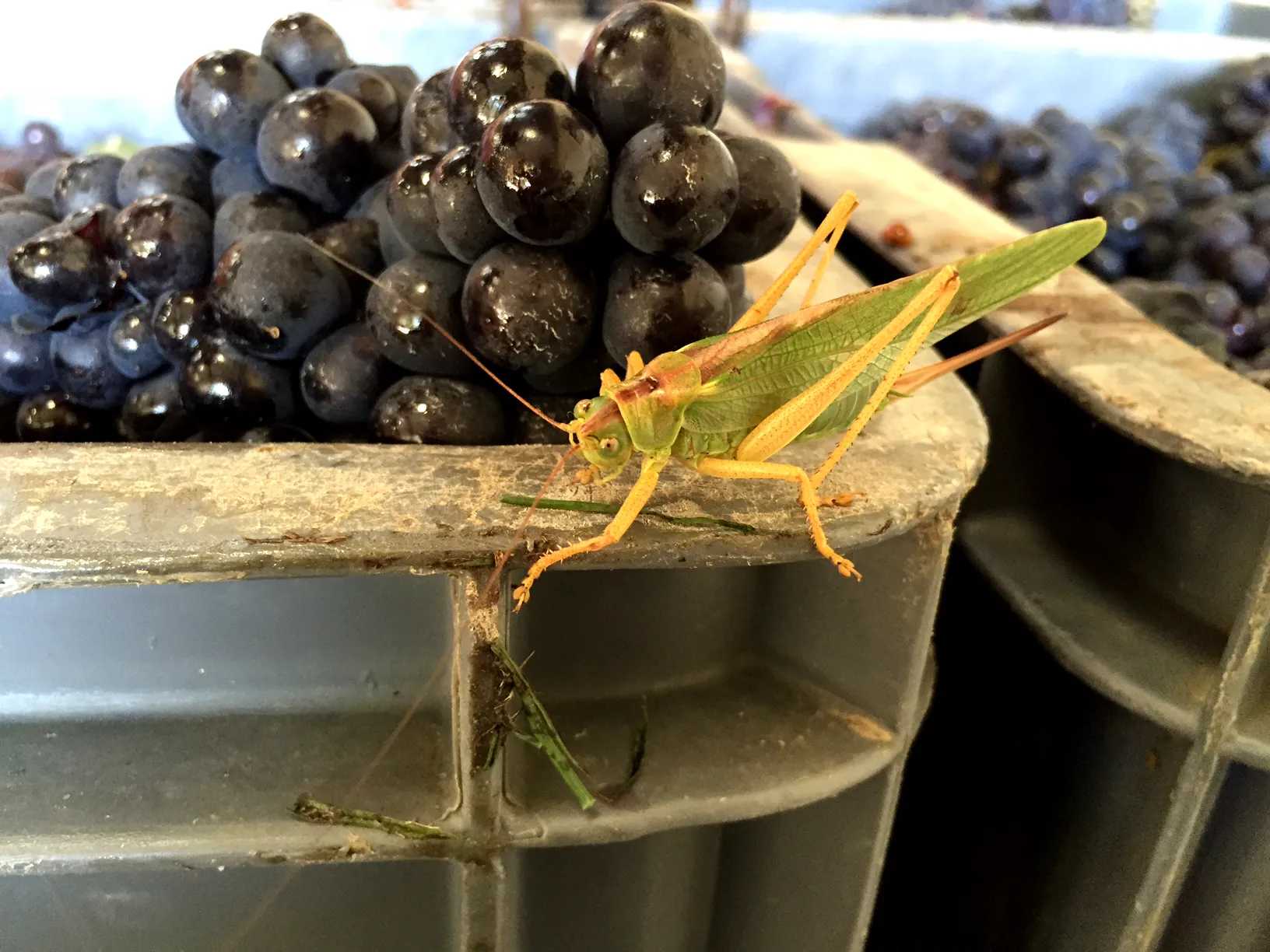
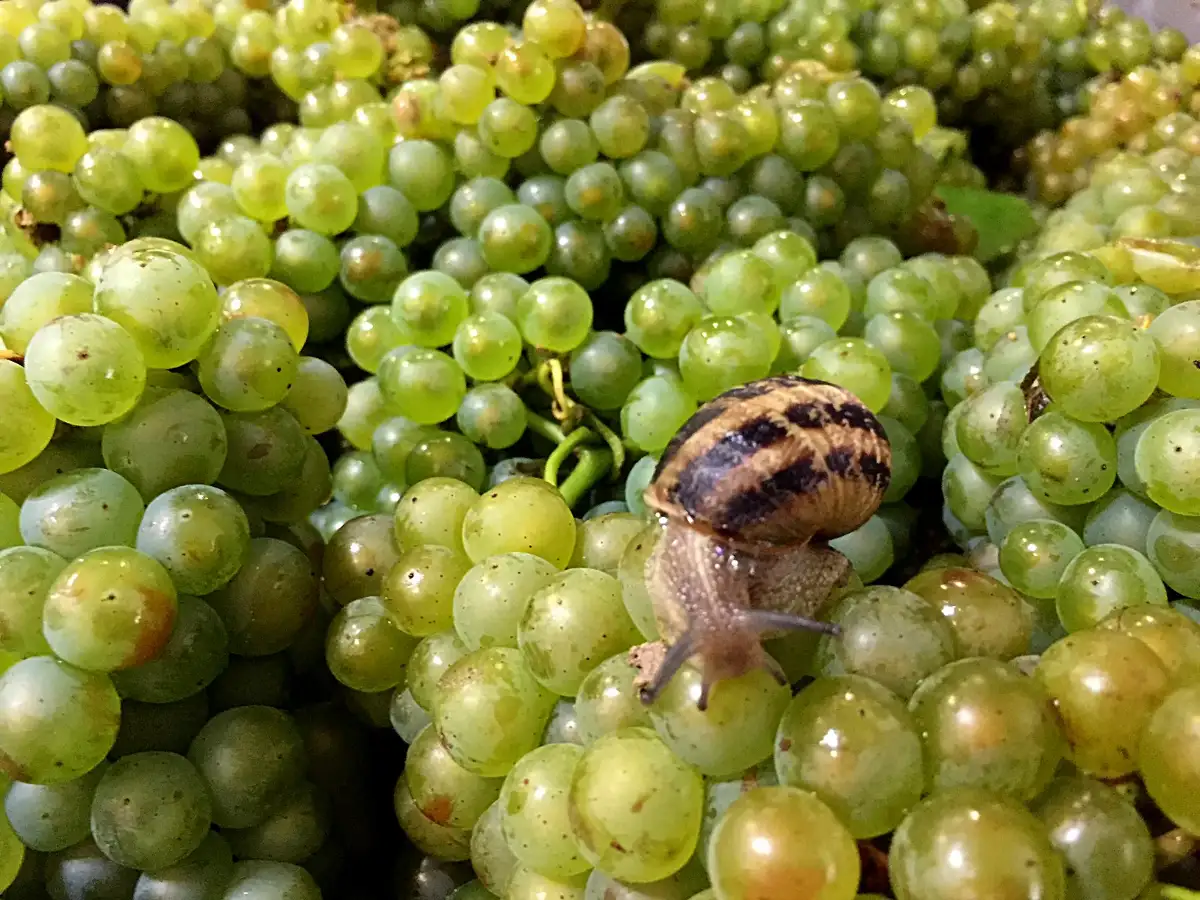
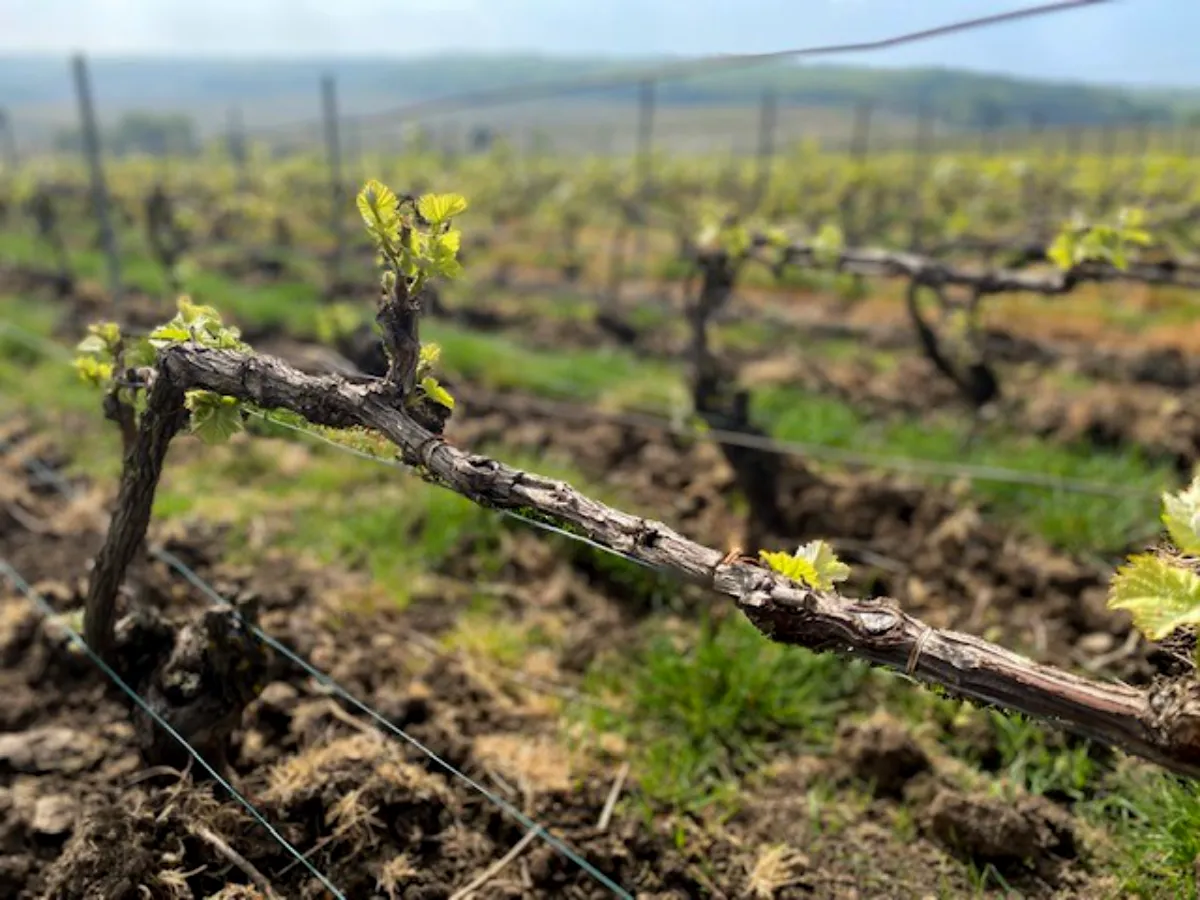
We take a comprehensive approach to preserving the natural environment in which we live every day, acting with common sense and, above all, with a discerning eye. The soil, the subsoil, the fauna, the flora...
Drawing inspiration from past practices
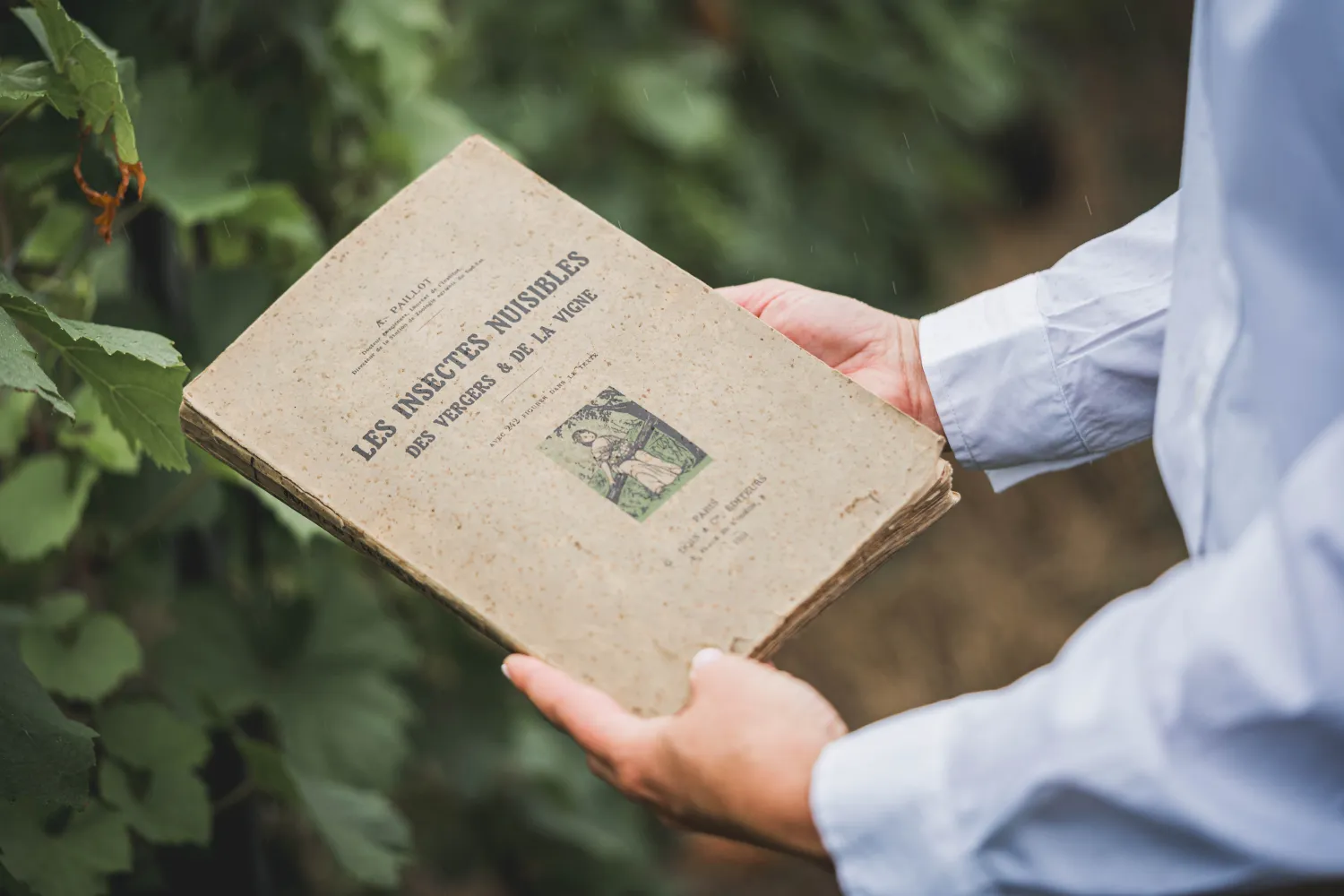
The book by A. Paillot, written in 1931, "Les insectes nuisibles des vergers et de la vigne" (Harmful Insects in Orchards and Vineyards) is our bible.
Promoting living soil
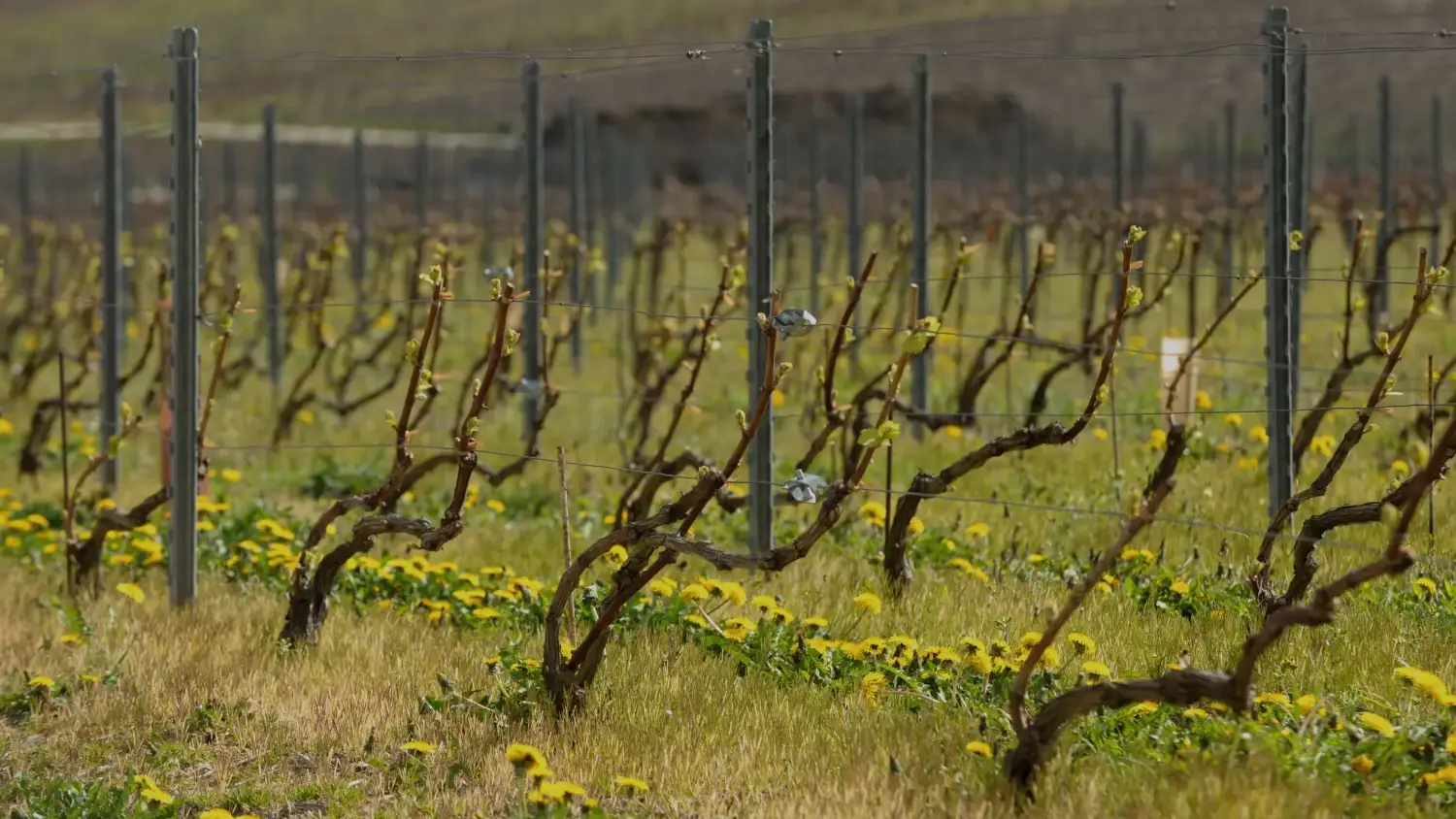
Plowing, cover cropping, or light scraping? Each plot requires its own specific care...
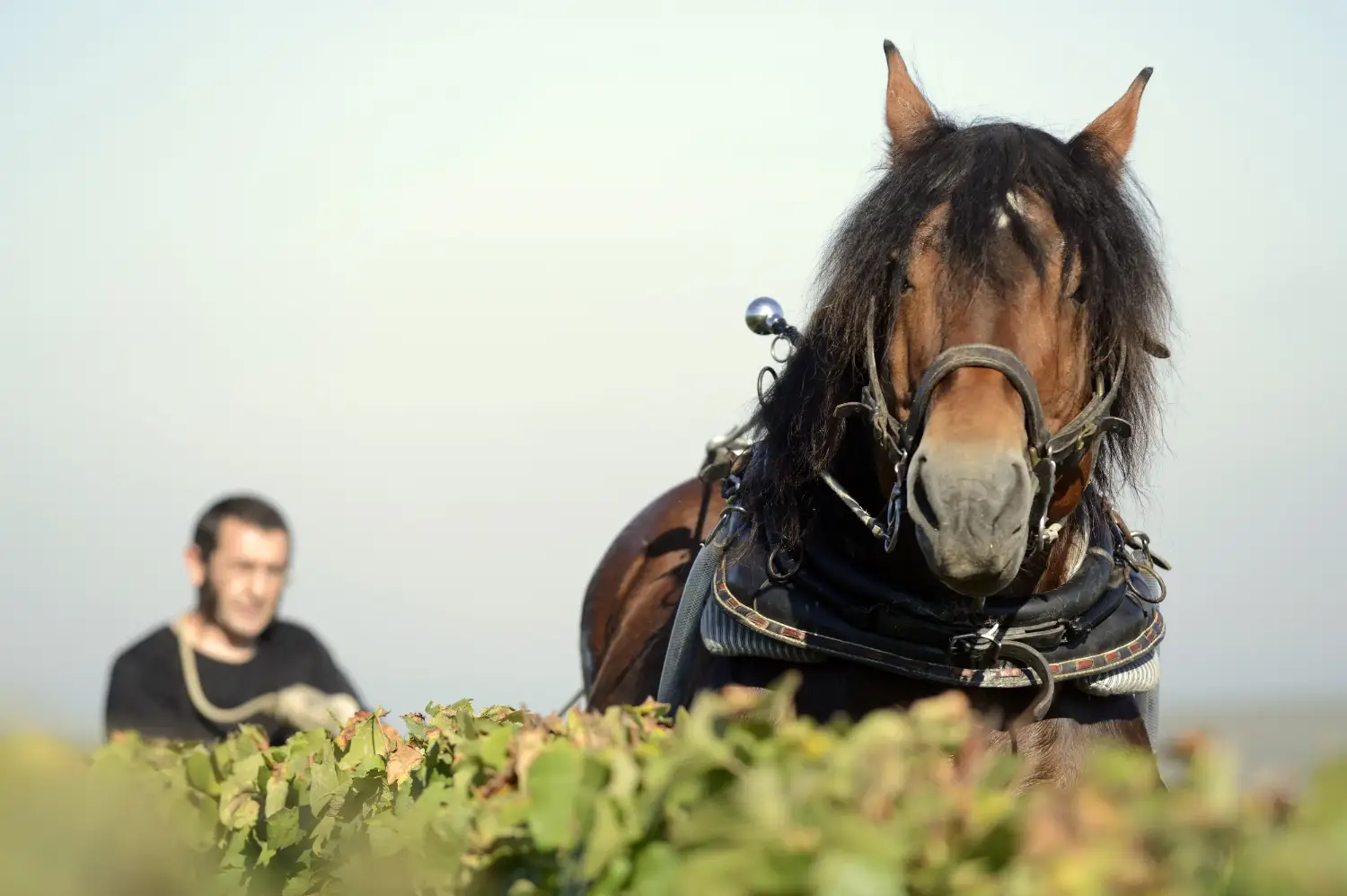
It is the soil and the vigor of the vines that speak and dictate our work. Hugues favors manual labor over mechanical work to keep the soil alive and aerated, thus preserving the old vines. The soil is made up of fauna, roots, and microbes: millipedes, woodlice, earthworms, etc. secrete calcium and enrich the soil with their excrement. This fauna digs tunnels that allow roots to grow deep into the bedrock. Microbes break down humus and make the organic matter assimilable by the vine. The organic matter content is an indicator of the vine's good health.
Encouraging biodiversity
Grass, hedges, and other vegetation help maintain wildlife and flora. Our current goal is to improve our carbon footprint. We source from local suppliers and offset our emissions by preserving hedges.
Experiment
We are experimenting with alternative techniques such as miscanthus to limit compaction and absorb excess water.
"Observing nature and interpreting its signals is our motto."
This site has been optimized for vertical navigation on mobile devices.
Please switch back to portrait mode.