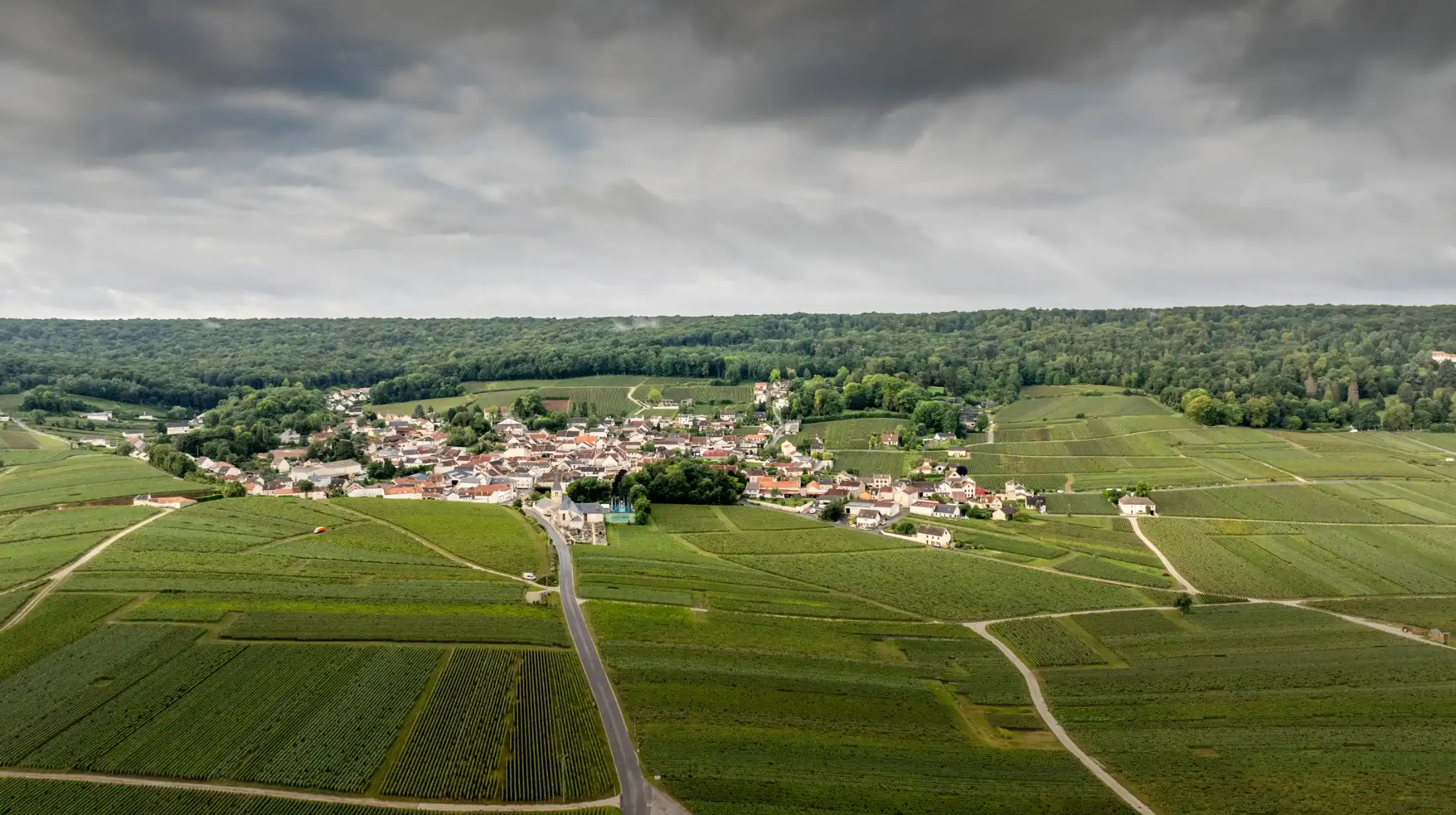
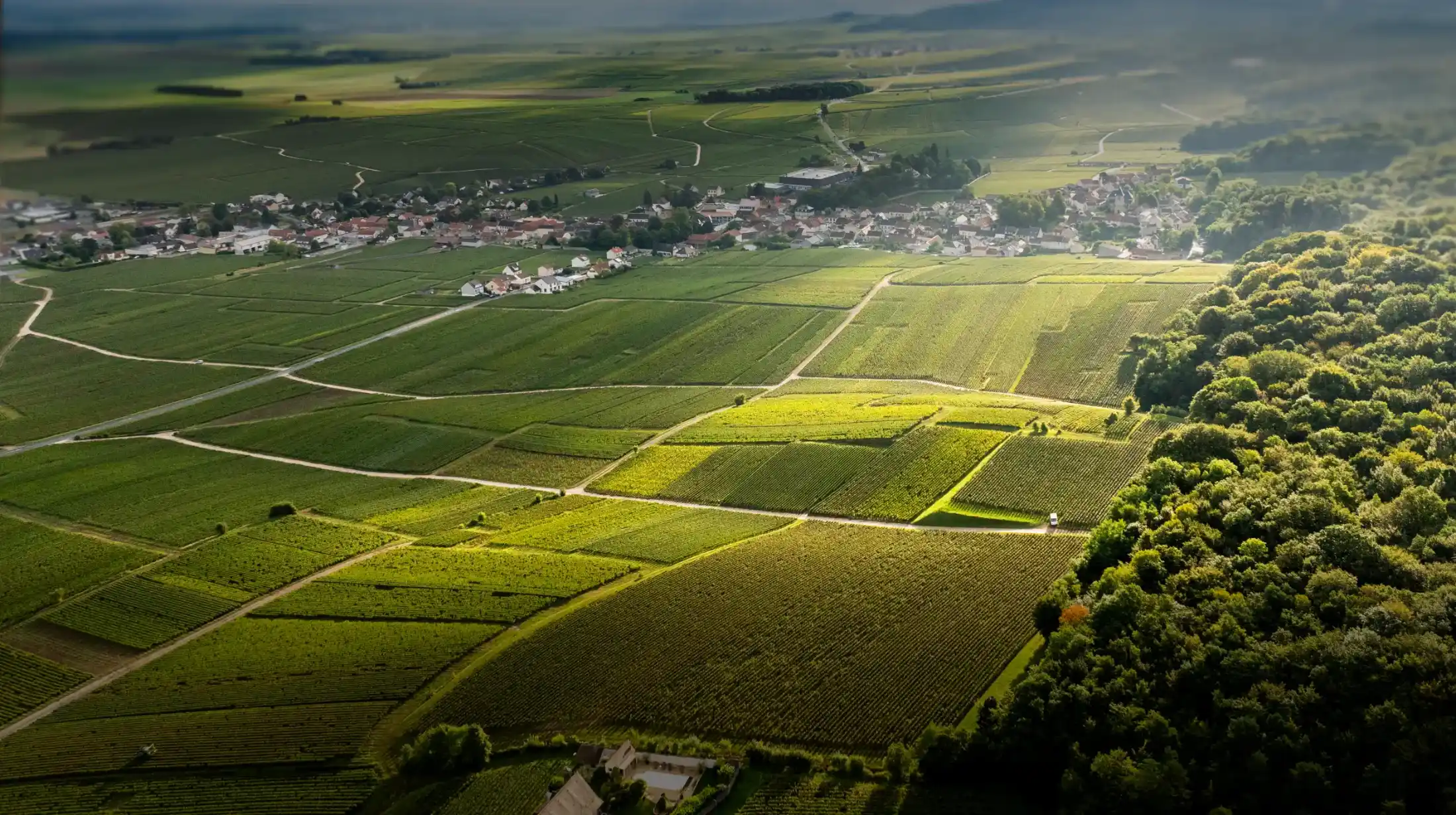
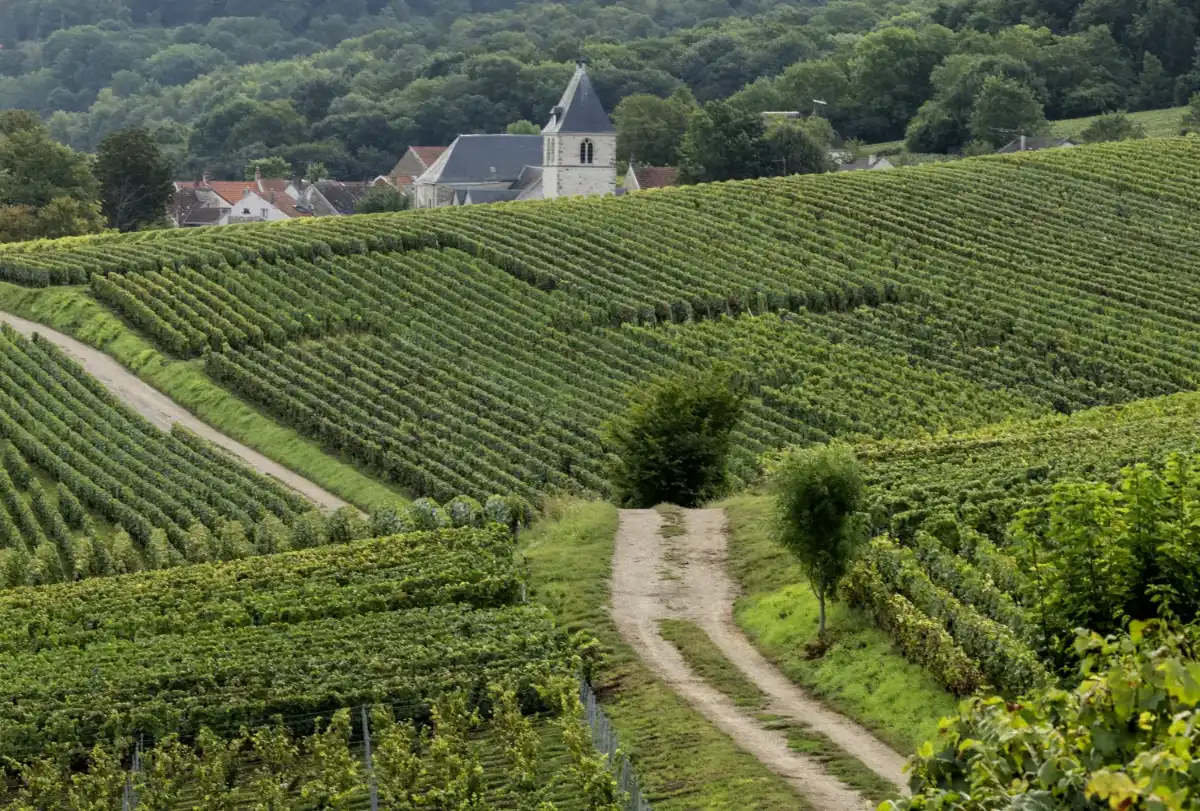
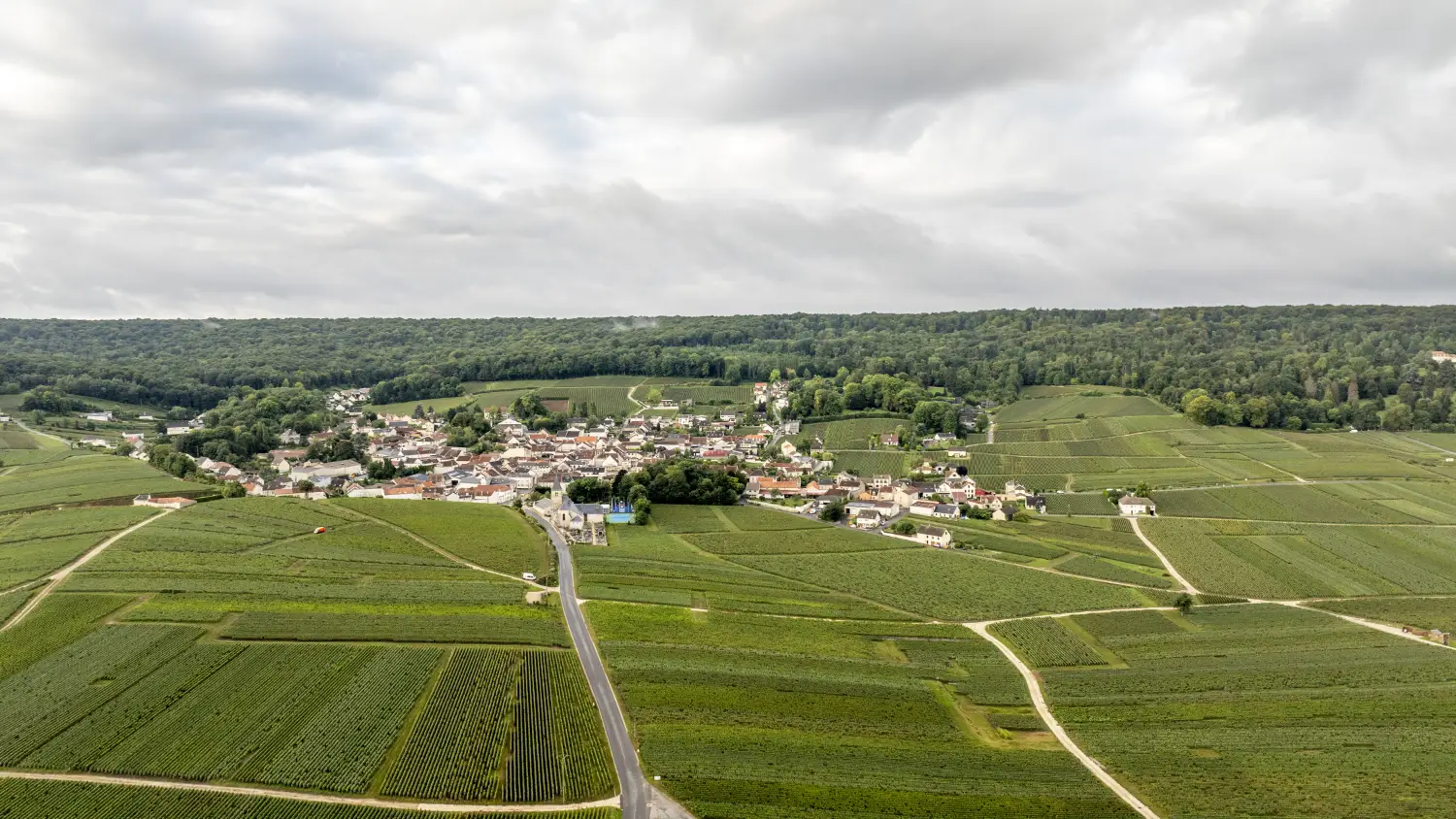
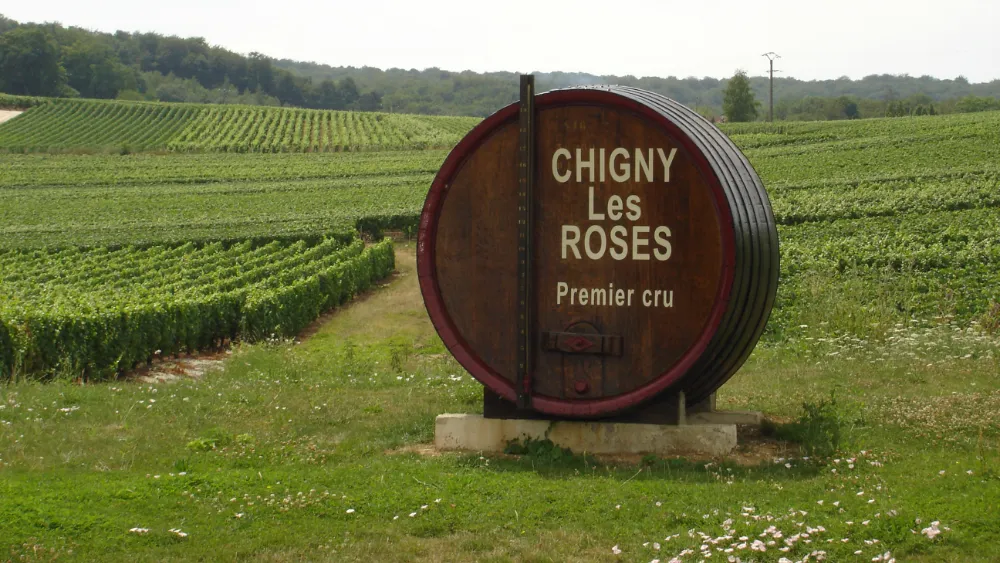
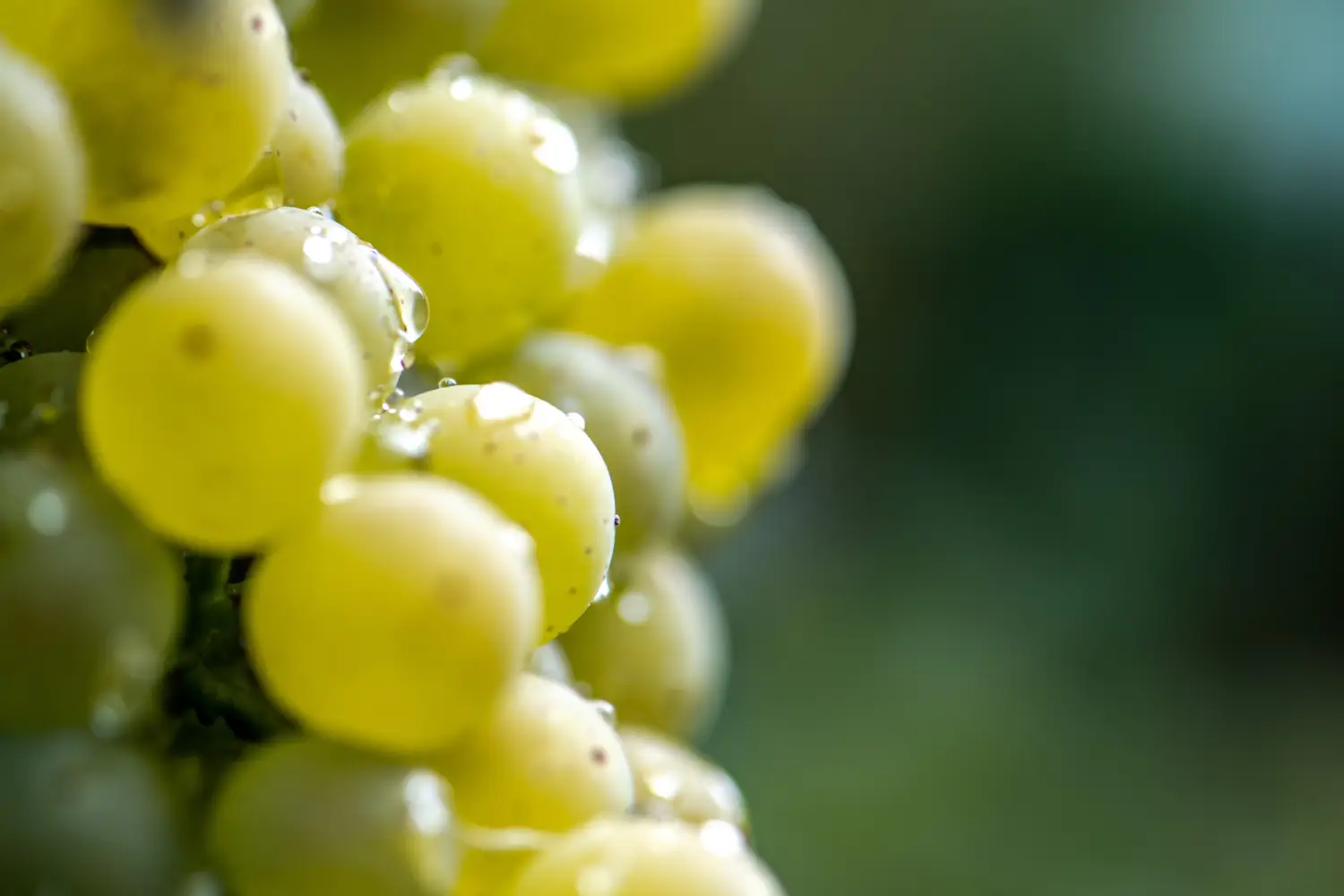
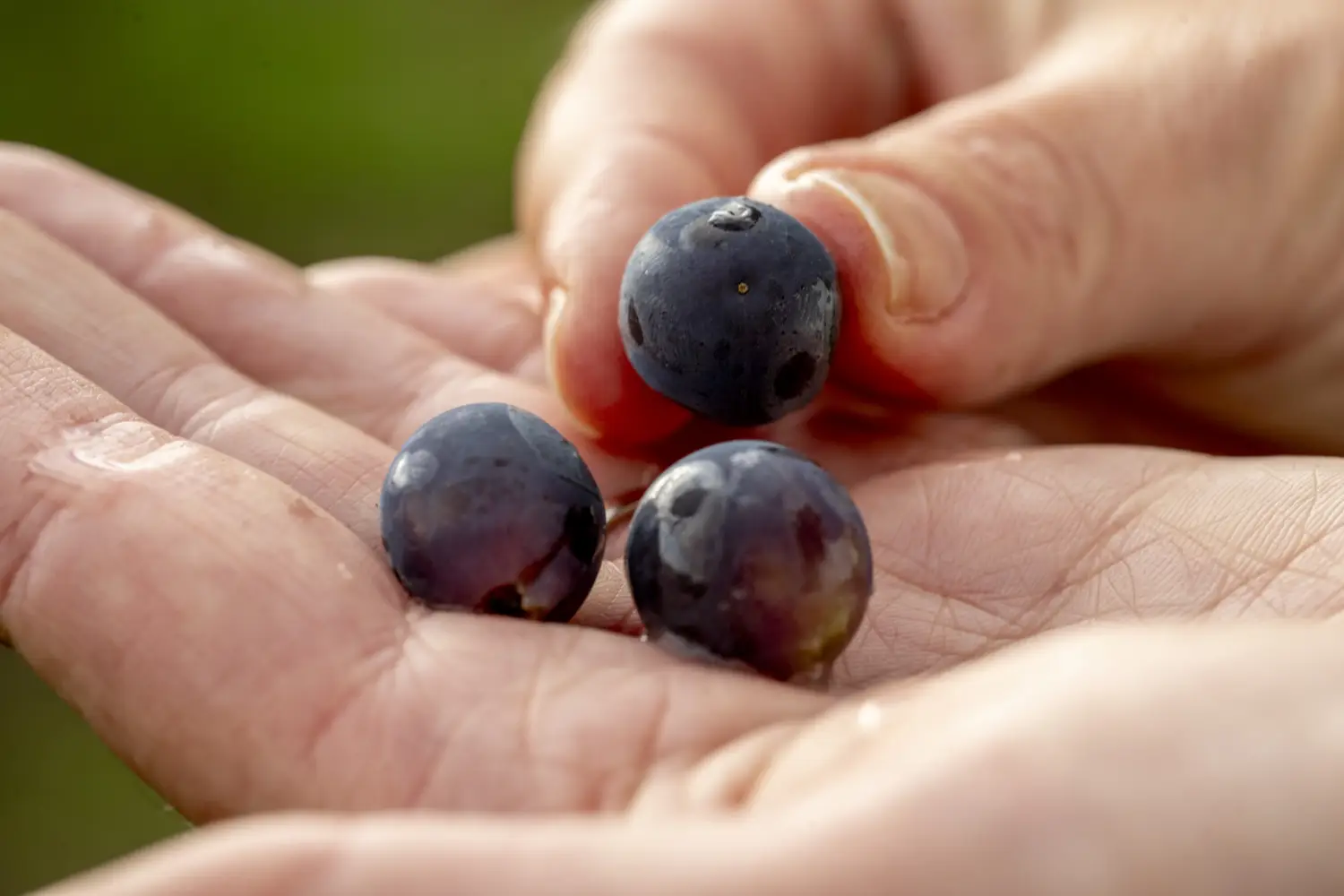
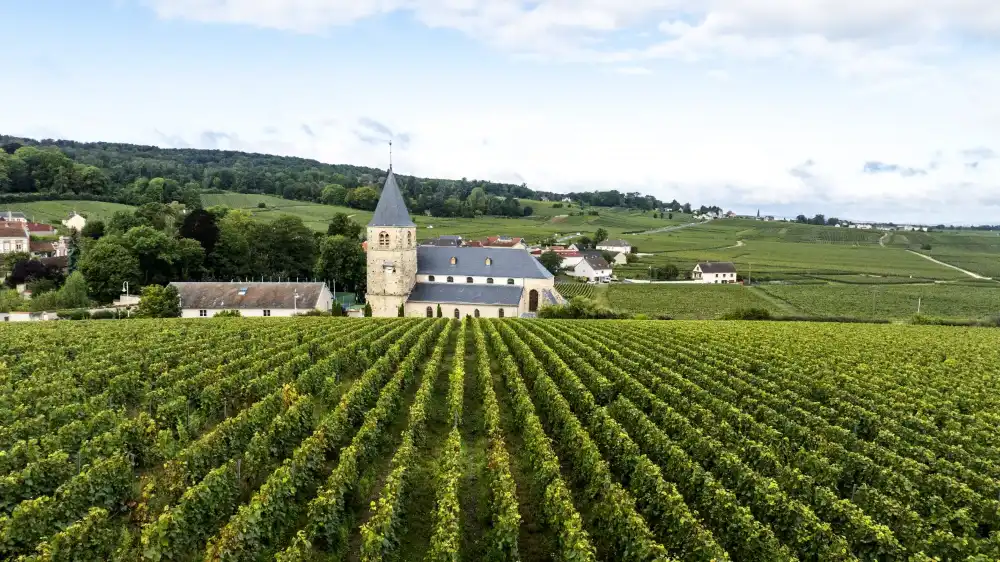
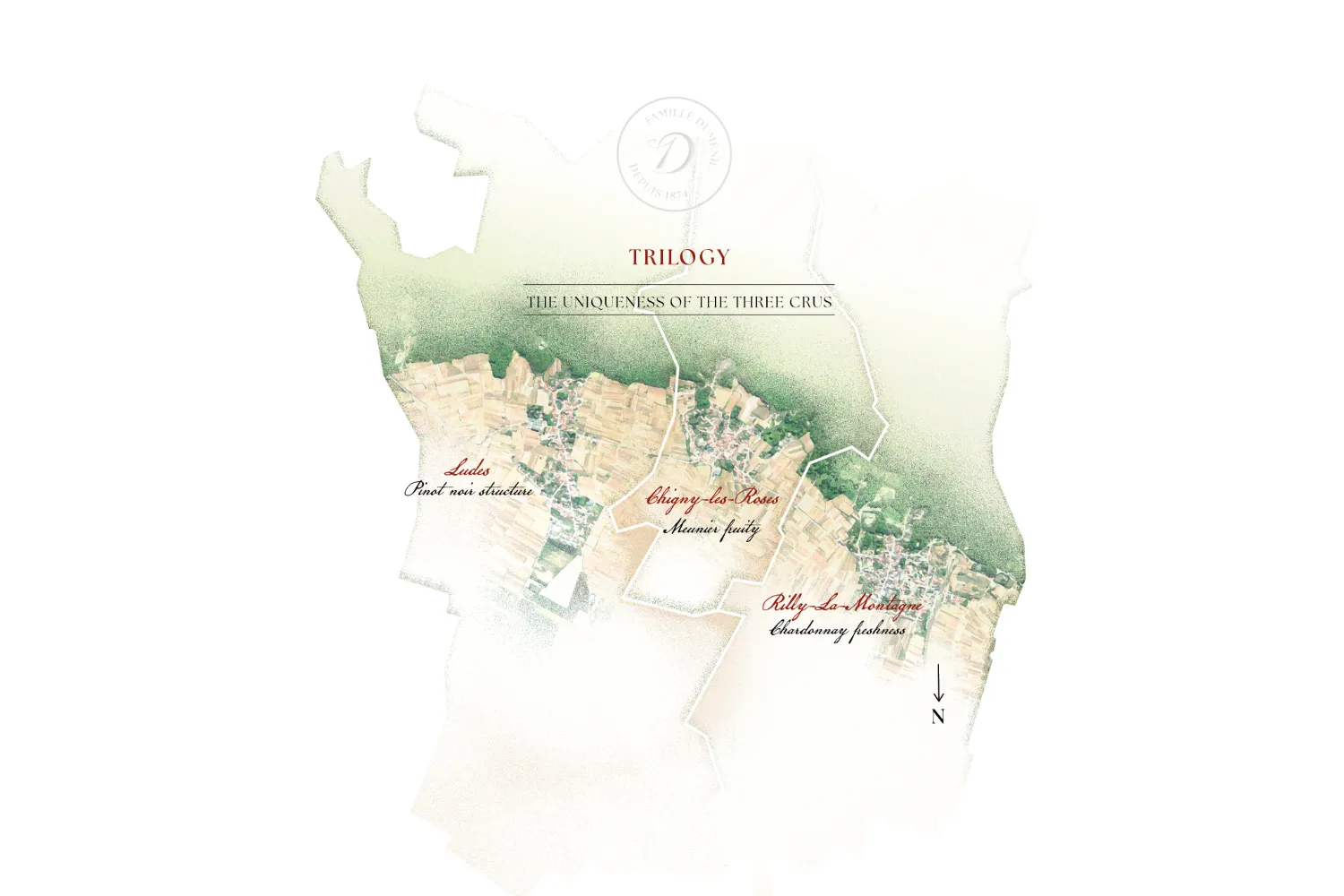
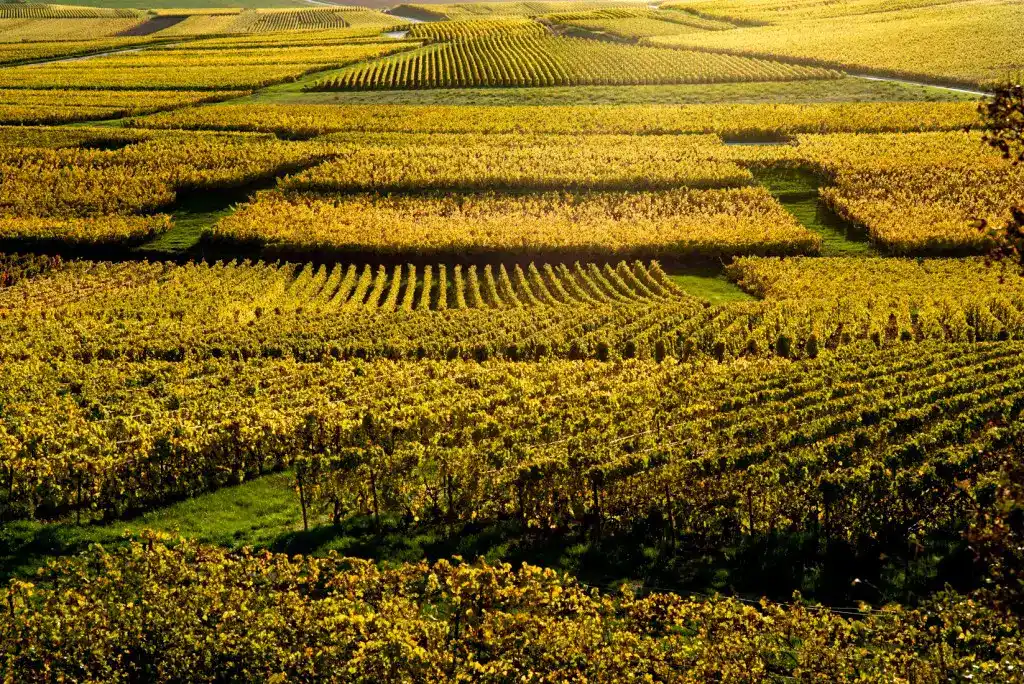
Our 8 hectares of vineyards are located exclusively in Terroir classified as 1er Cru. Chigny-les-Roses, Rilly-la Montagne, and Ludes are backed by the Montagne de Reims, a natural barrier that regulates temperature. Our terroir is unique due to its soil and subsoil, its exposure, and its natural springs. The vineyards are planted with the classic grape varieties: Pinot Noir, Pinot Meunier, and Chardonnay.
The terroir of Duménil champagne was first discovered by monks. The Abbey of Saint-Rémi in Reims owned vineyards in Chigny-Les-Roses, Rilly-la-Montagne, and Ludes as early as the Middle Ages. Traces of the Duménil family can be found in municipal archives dating back to the 10th century.
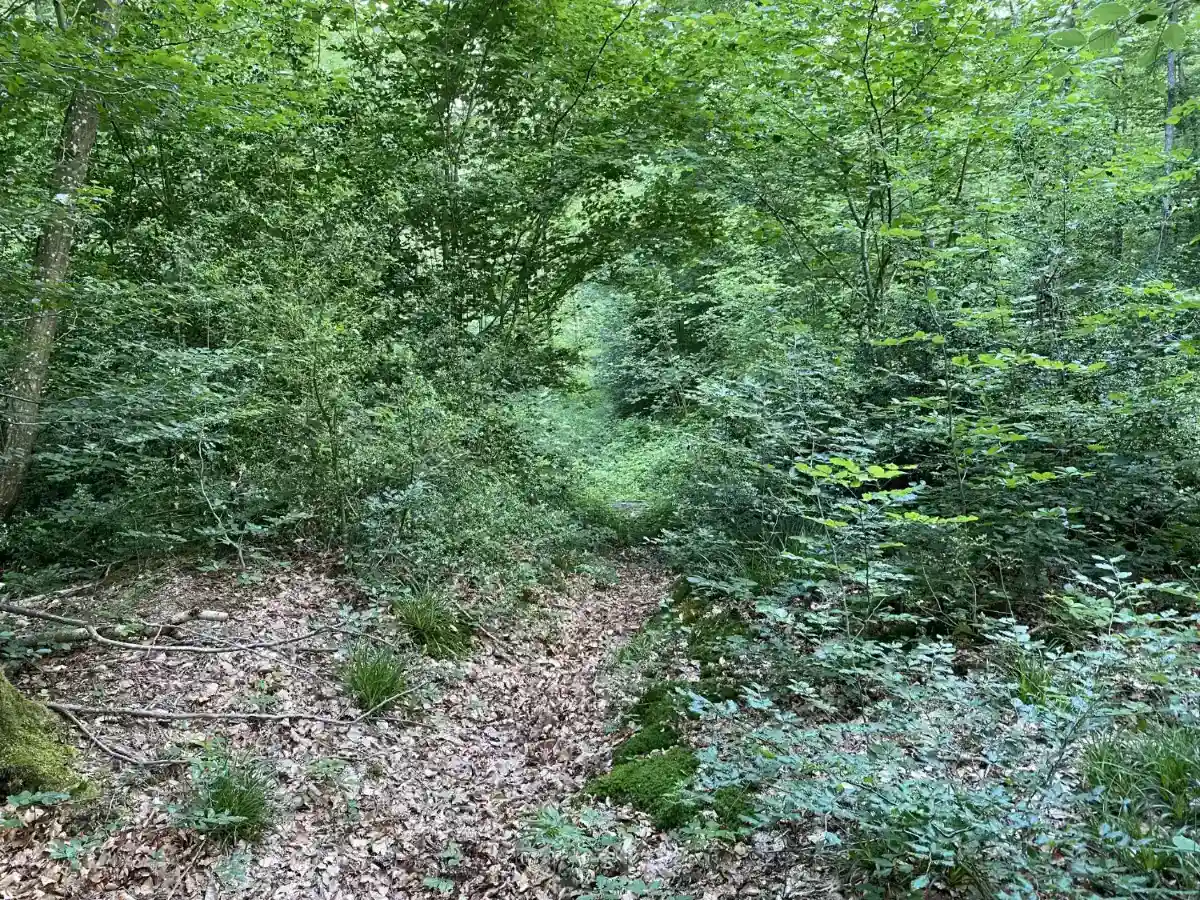
Our vineyard is located in the heart of the Montagne de Reims. Our 8 hectares of vines are classified among the Premiers Crus of Champagne. Located in Chigny-les-Roses, Rilly-la Montagne, and Ludes, we have 29 different plots that guarantee aromatic richness. The north-facing exposure of the mountain ensures a coveted coolness. The forest plays a role:
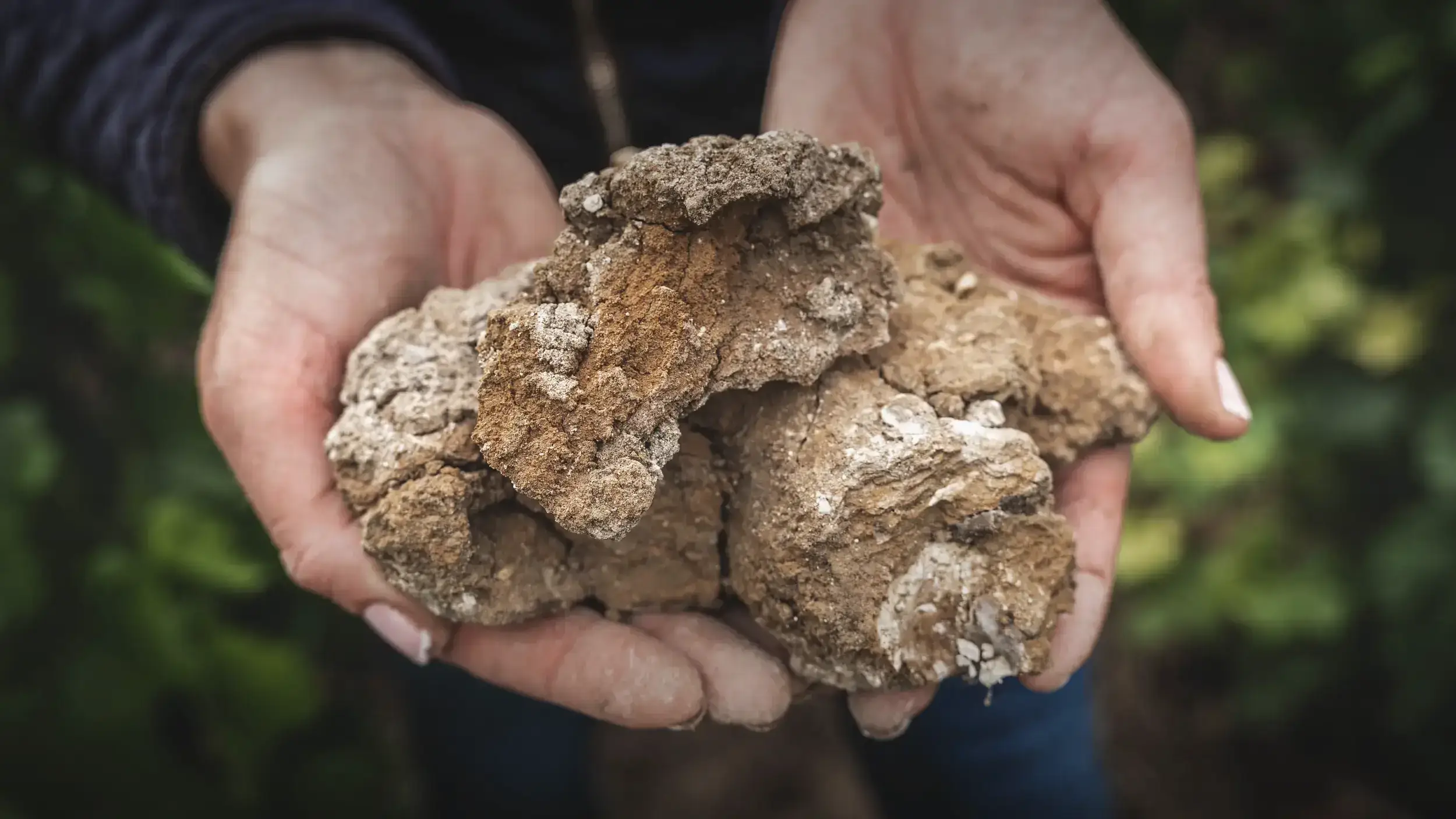
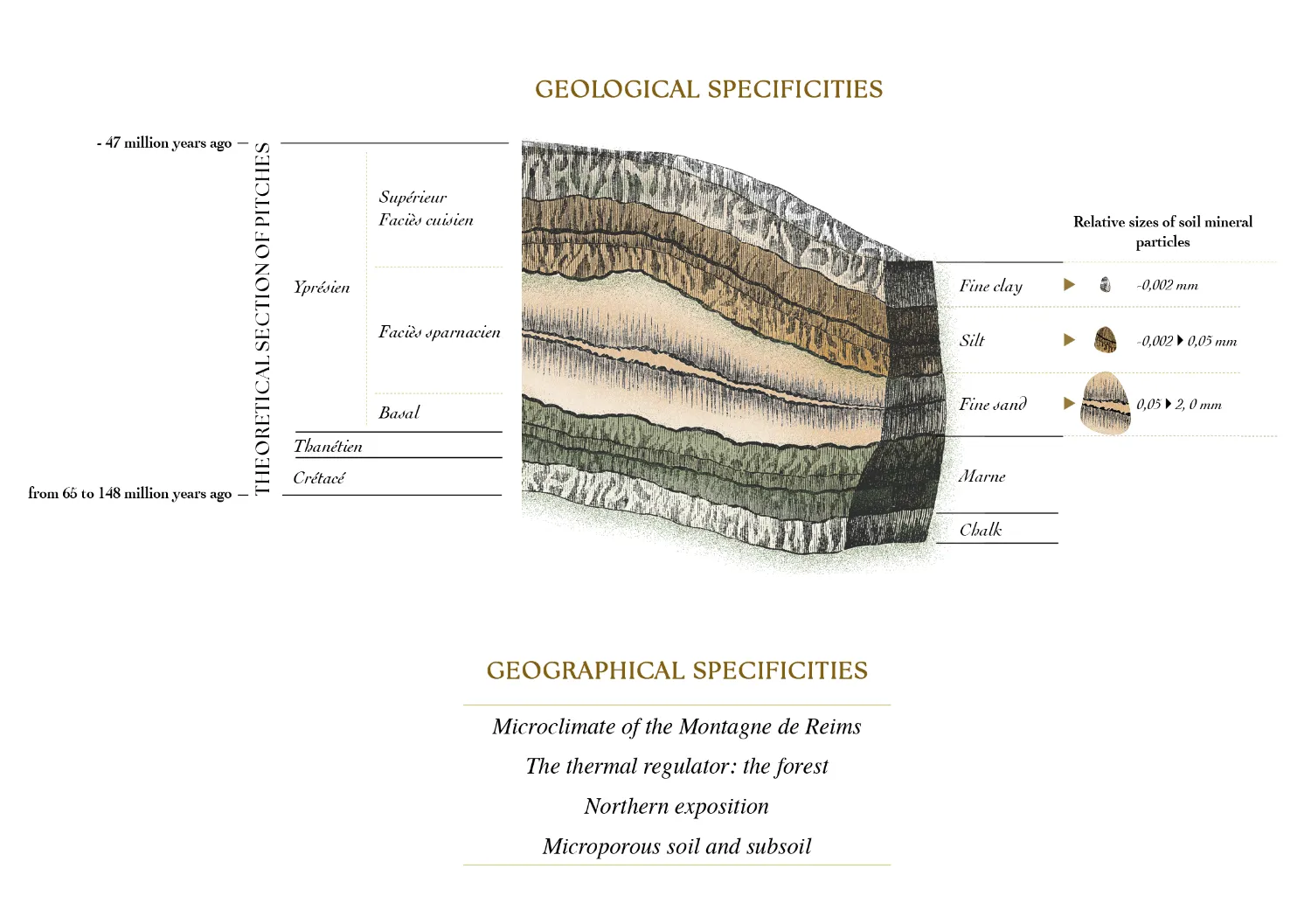
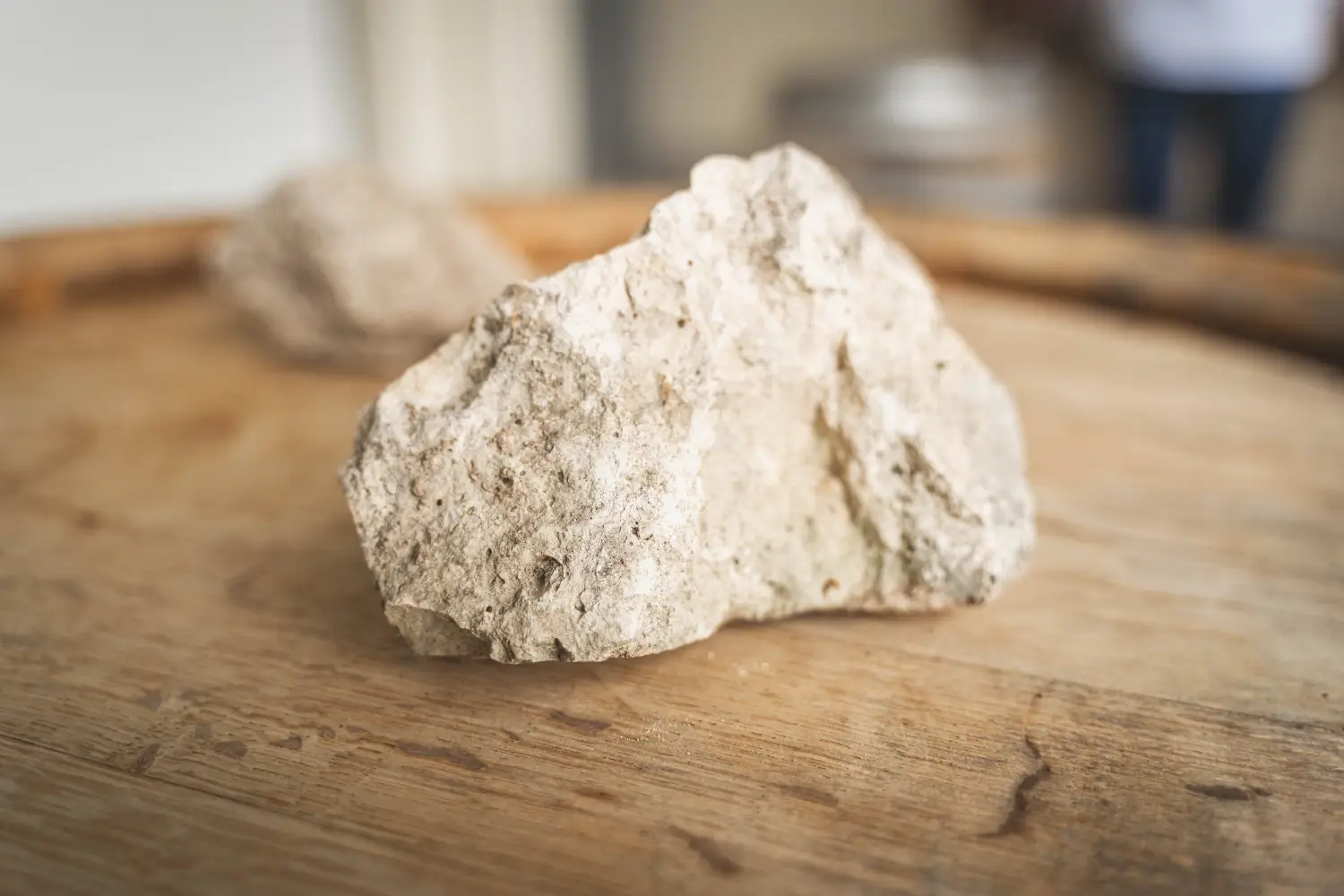
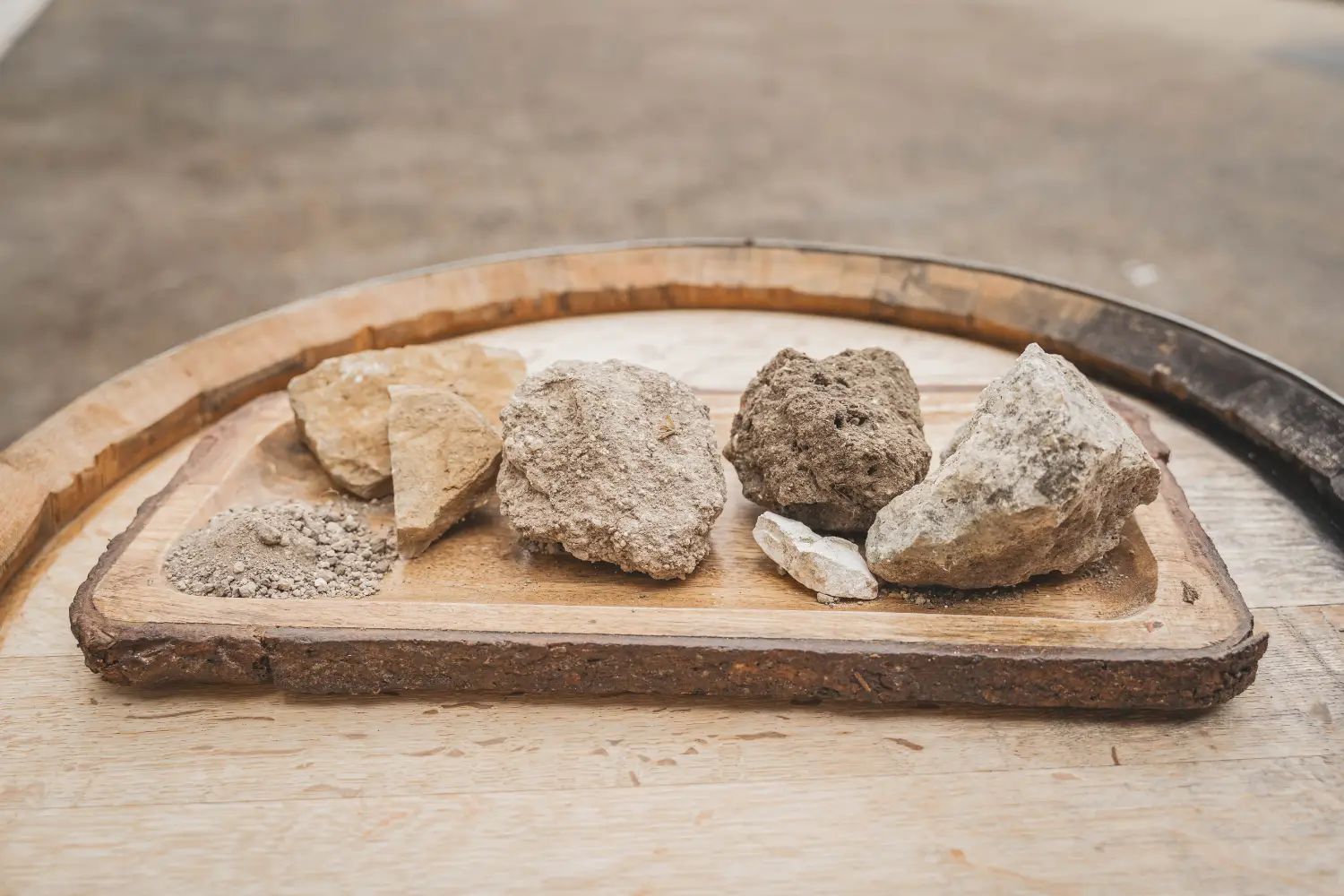
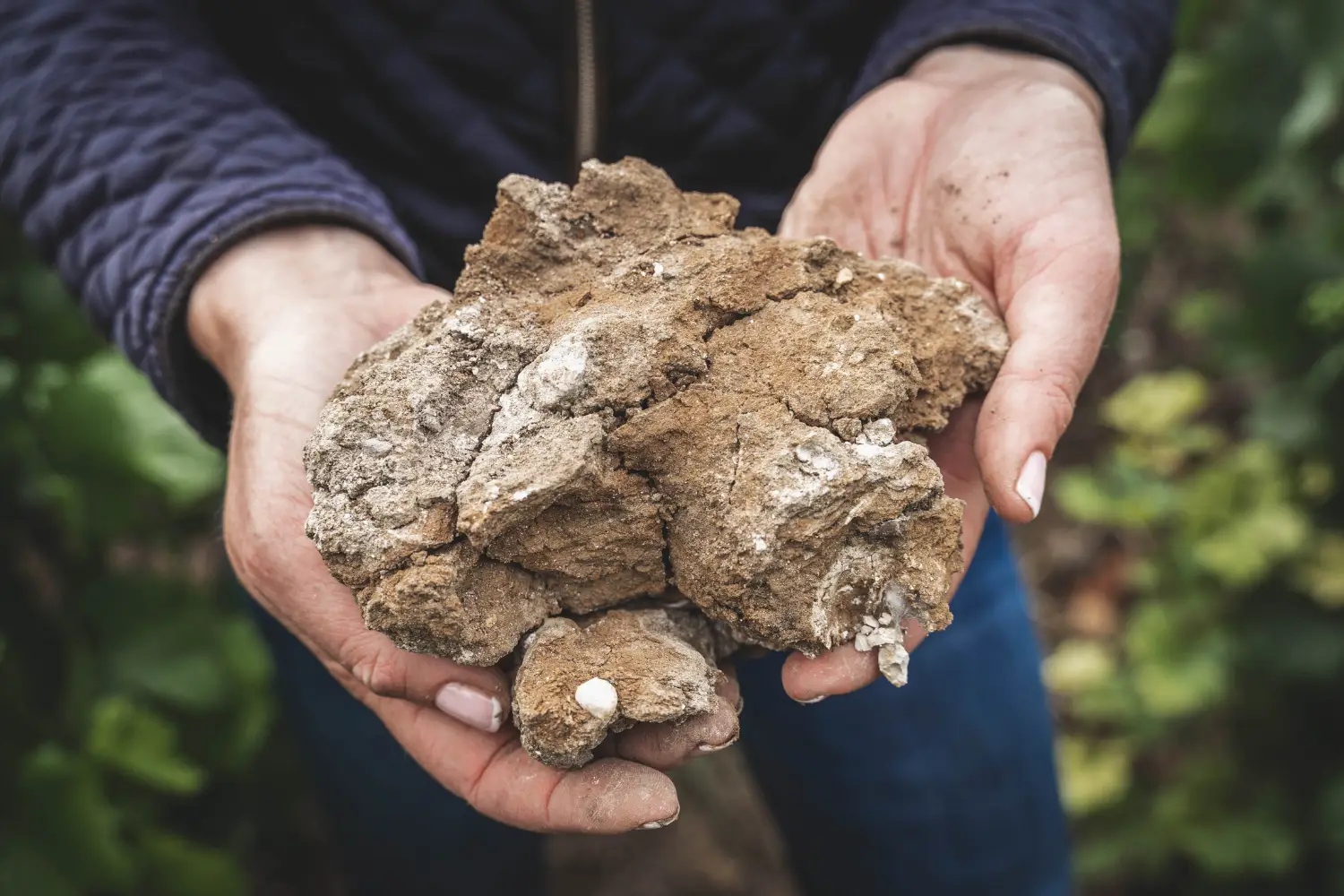
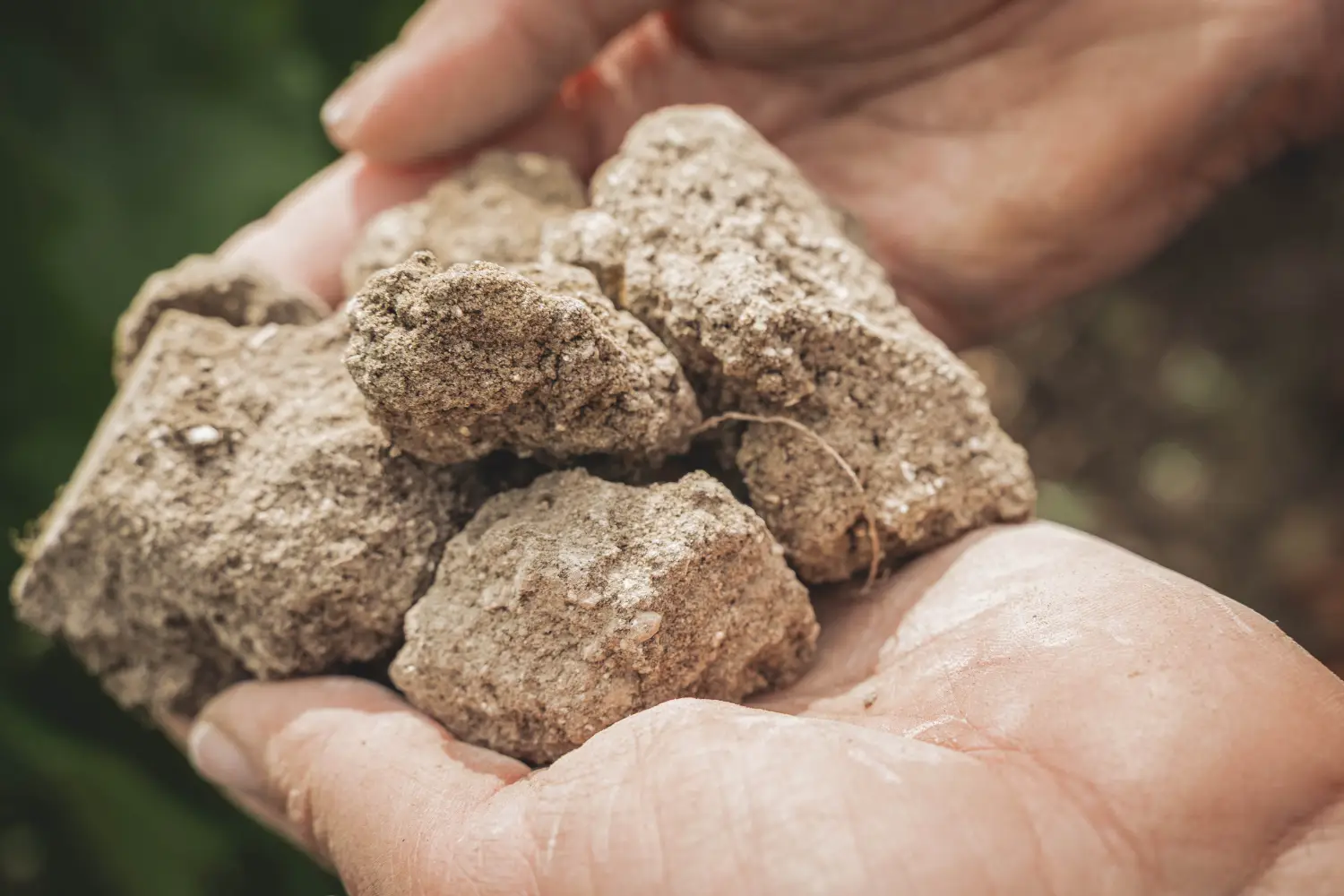
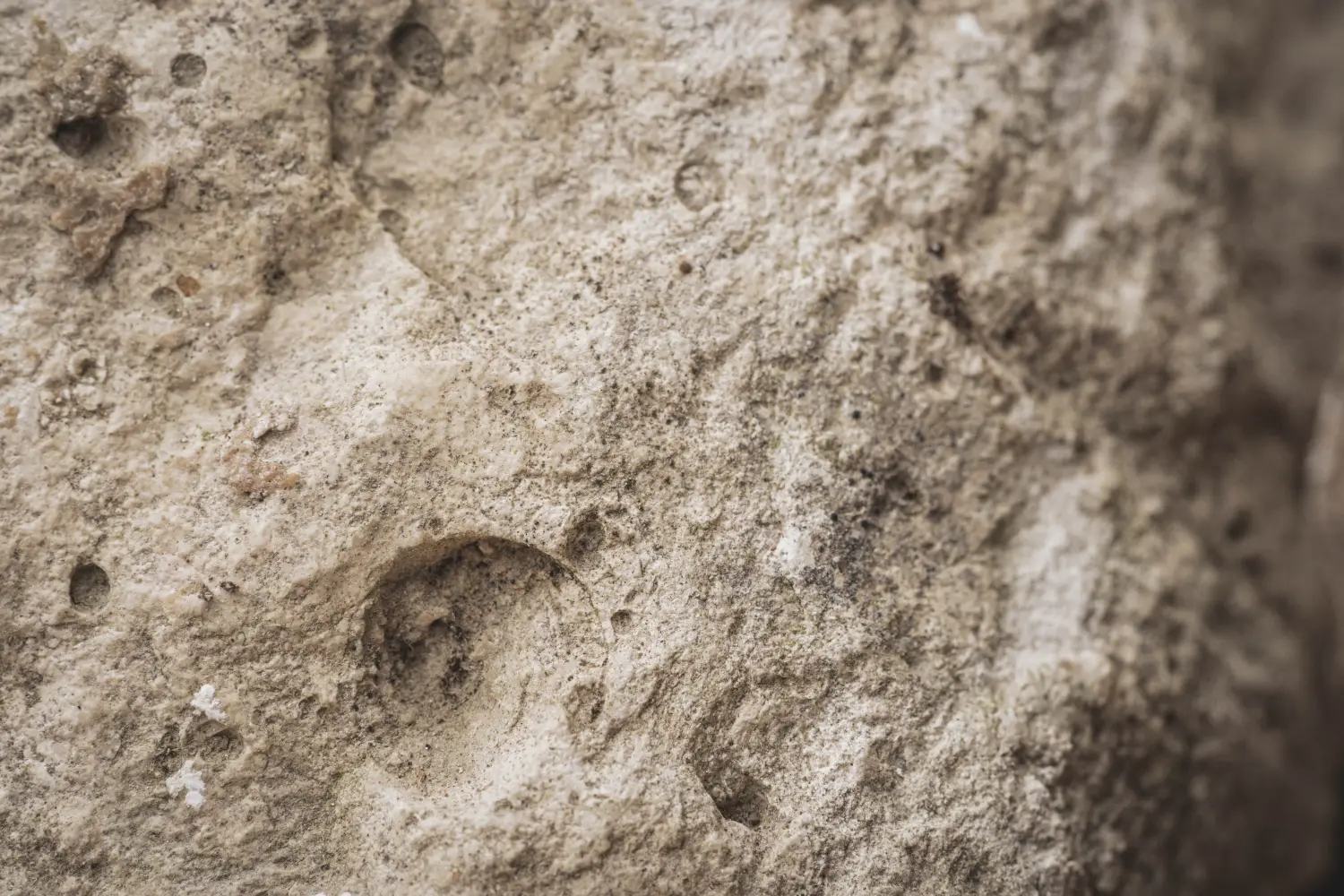
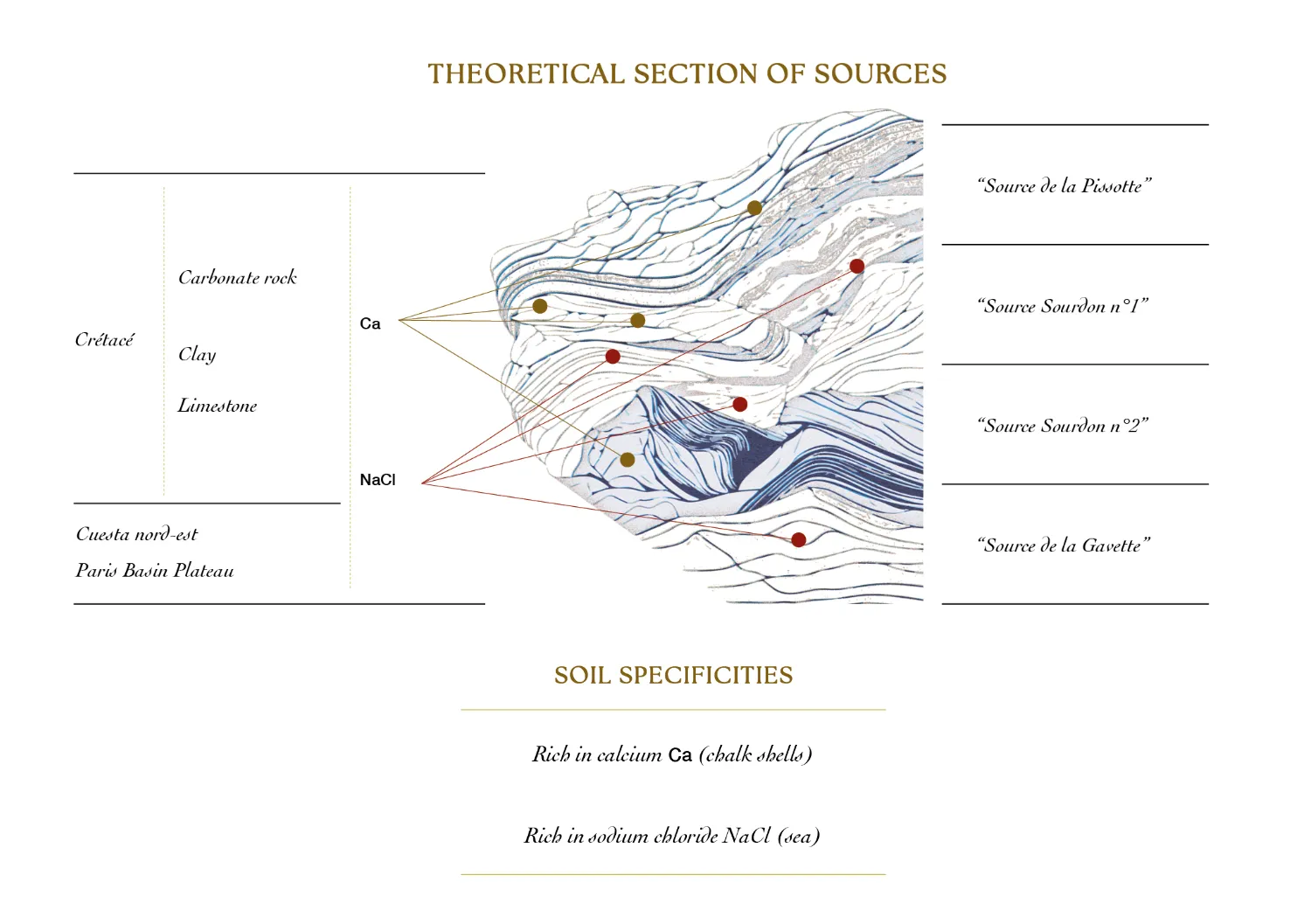
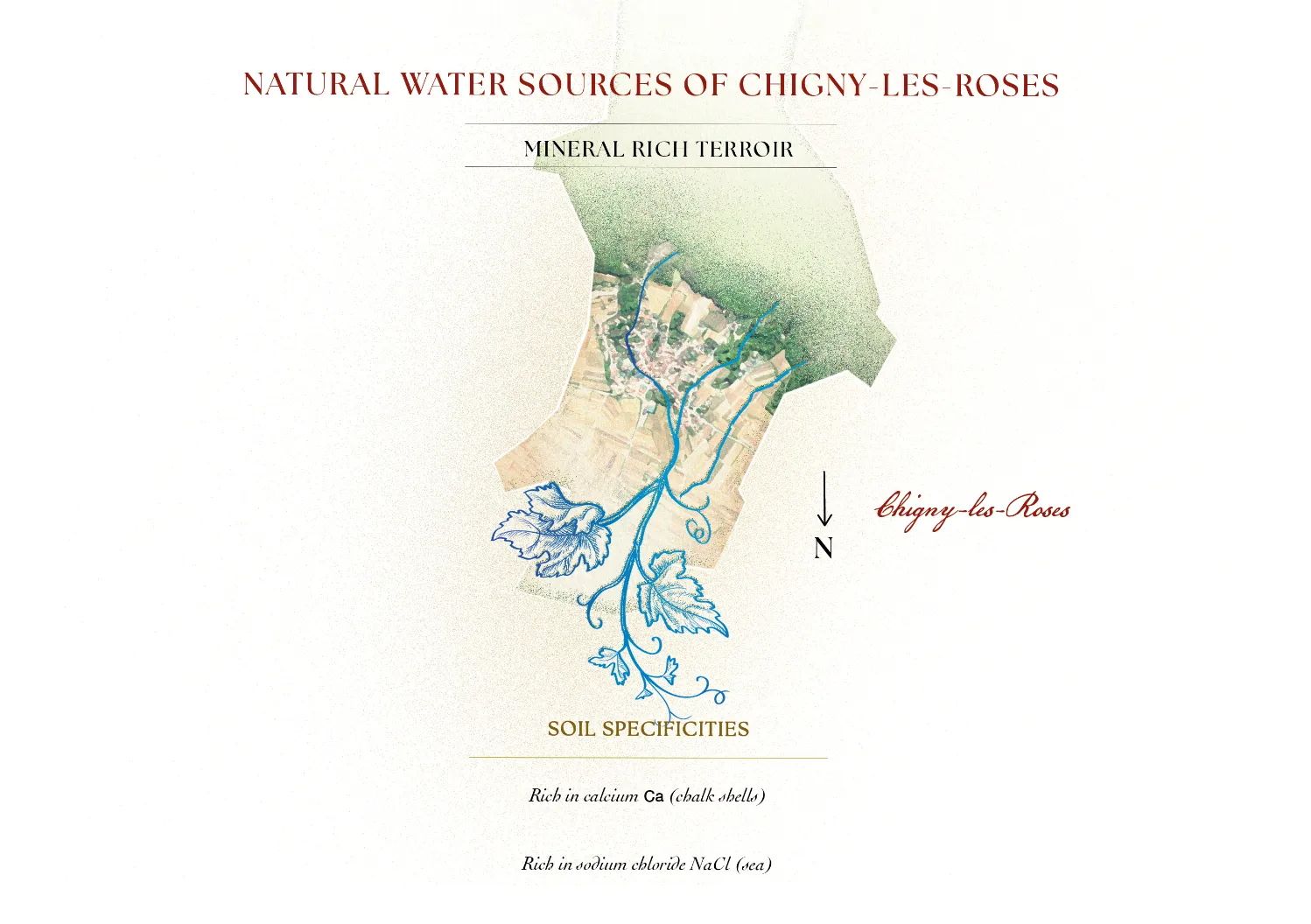
The village of Chigny les Roses is fed by natural springs rich in minerals, making this terroir so special. The water is exceptionally pure and has been flowing continuously since 1820. The vineyard is supported by five geological layers: chalk, marl, sand, silt, fine clay. The chalk emerges depending on the slopes. The water is particularly rich in natural minerals.
A magnificent rose garden surrounded Louise Pommery's country cottage. In her honor, French President Emile Loubet renamed the village "Chigny-les-Roses." At the time, rose bushes were planted at the foot of the vines as early "warning" of vine diseases. Legend has it that Chigny was once called "Chaigny." This name comes from "chêne," the French word for oak, a majestic tree found in the forest that overlooks the village. It is a noble wood used in the manufacturing of barrels.
"In the past, northern exposure was a challenge. Today, it is a component of the eternal freshness of our wines and the pure expression of the terroir..."

Five layers are superimposed: chalk, marl, sand, silt, and fine clay. The soil is particularly well-drained. The subsoil is irrigated by natural springs extremely rich in calcium chloride NaCl and minerals.
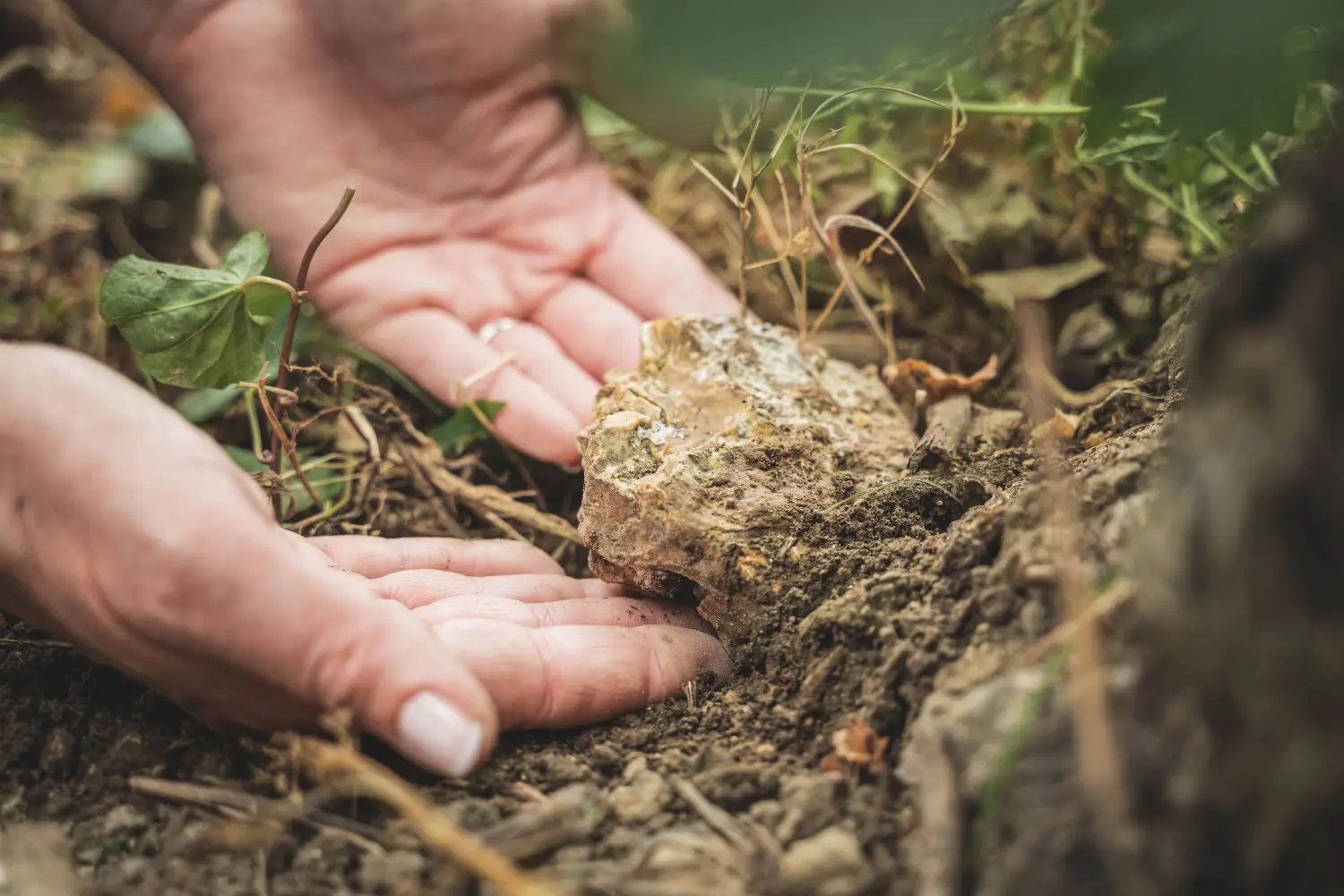
Maintain soil life by raking or lightly tilling to encourage deep rooting. This allows the roots to draw minerals from the sources.
"Preserving this living, well-drained soil by favoring manual labor is our motto."
The Montagne de Reims creates a unique microclimate. The forest acts as a thermal regulator in both summer and winter, providing a natural barrier against storms.
Ripening is slow on the north side of the mountain; patience is the key to the elegance of our vintages.
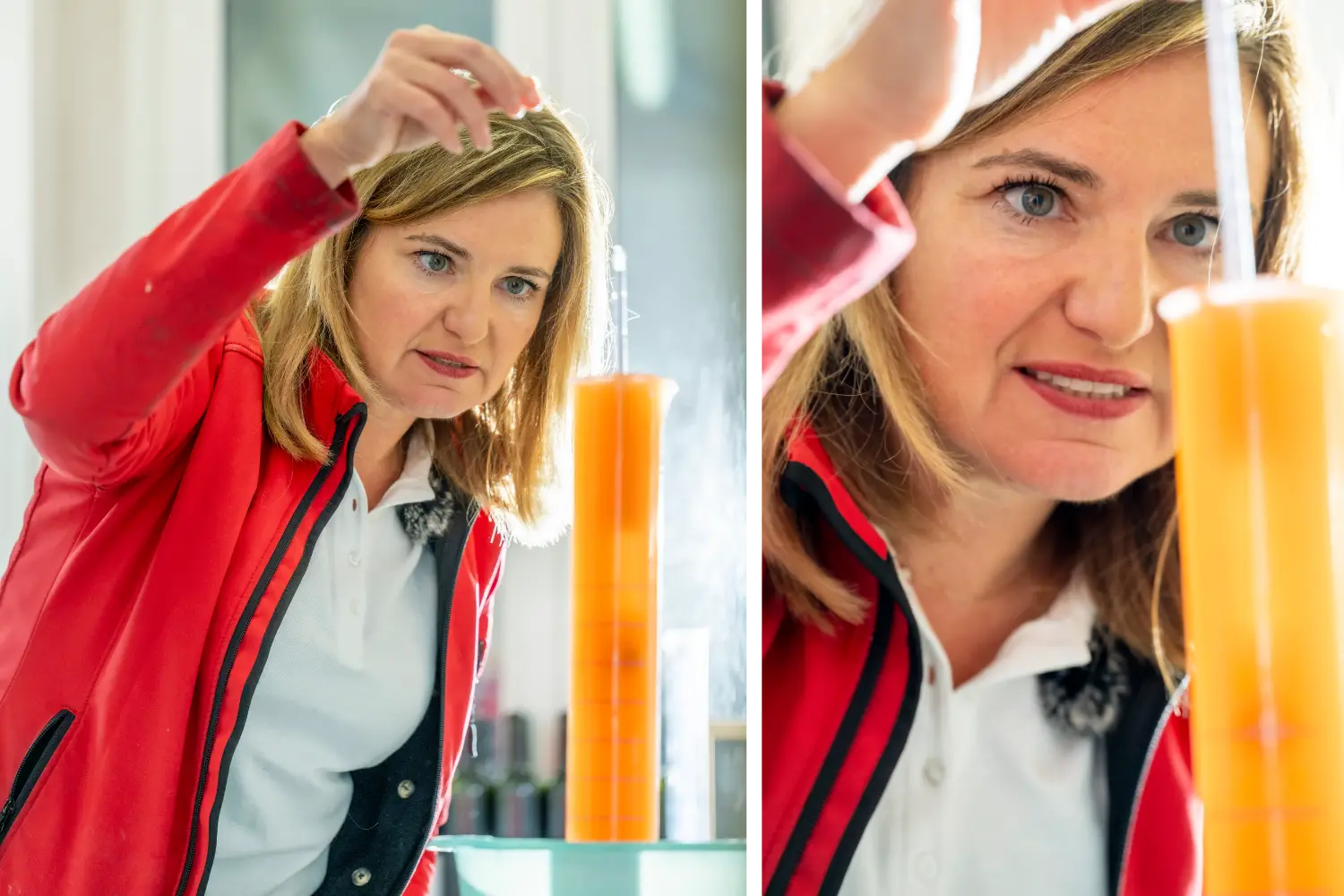
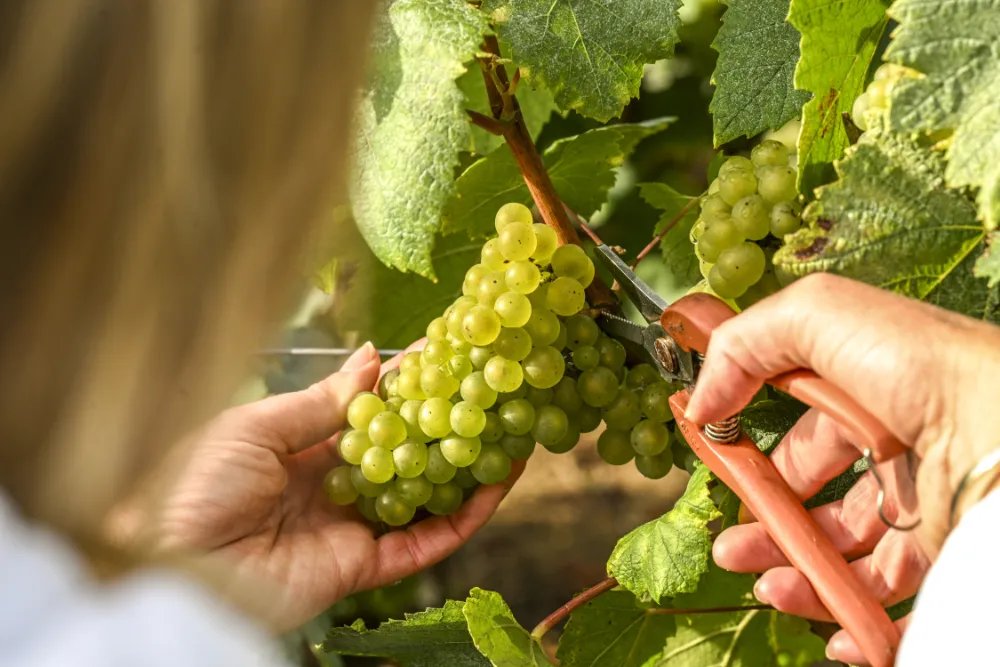
One month before the harvest, the ripeness of each plot is checked twice a week. It is the curve of ripeness developments that guides our choice of harvest date in order to make an optimal objective choice for picking.
"Take the time to let nature express itself fully..."
Chigny les Roses is the only village still supplied with natural spring water, rich in minerals. Our vineyard is naturally irrigated, with chalk acting as our water reservoir.
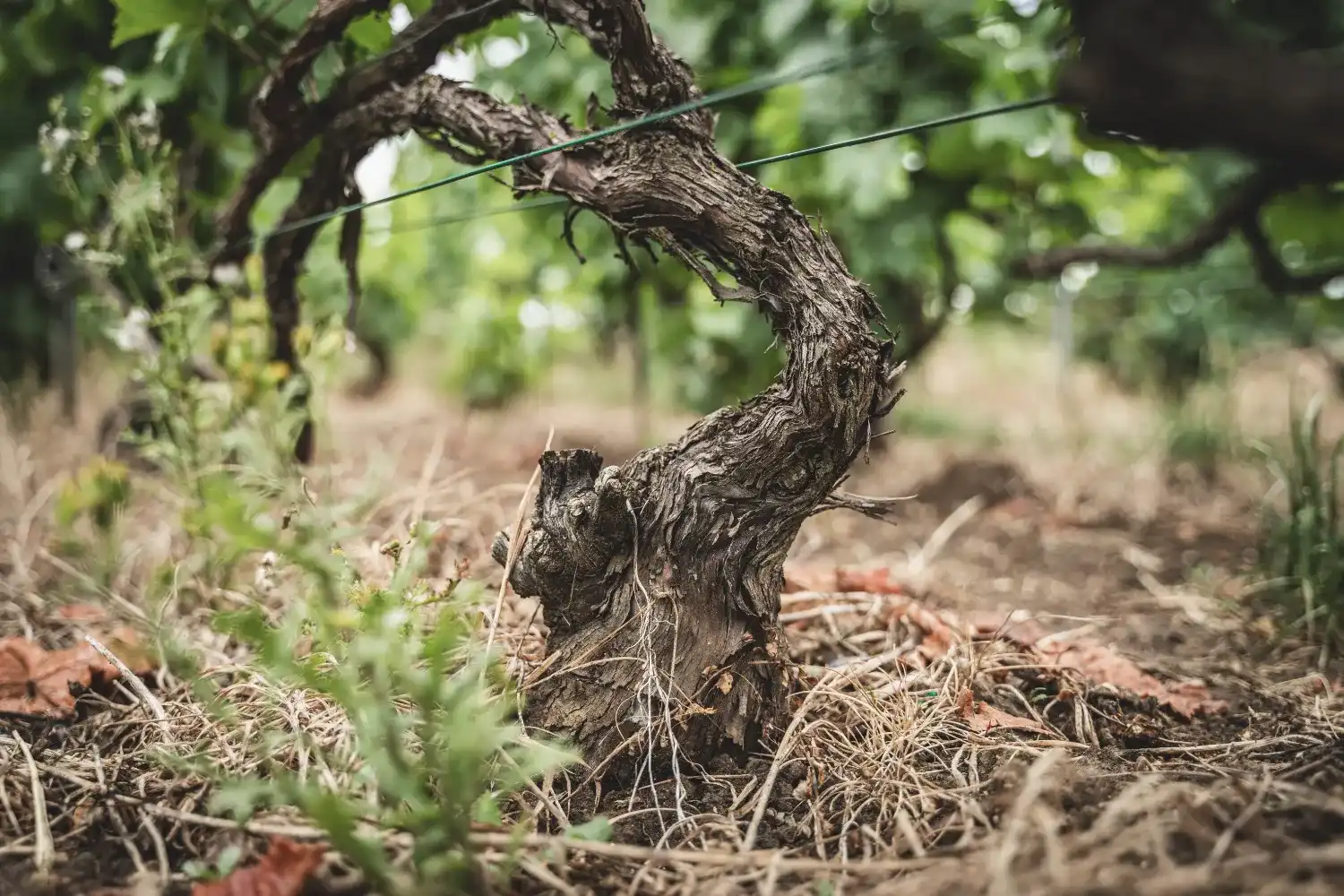
Old vines, resistant to droughts thanks to a specific type of soil preparation that allows the roots to reach deep down to the water sources.
Thanks to the soil management, the vines are more resistant to high temperatures, and we can keep old vines. The high porosity of chalk makes it a veritable water reservoir: 300 to 400 liters per cubic meter. This ensures that the vines have sufficient water even during the driest summers. In addition, chalk retains water through capillary action, naturally regulating the vine's water consumption.
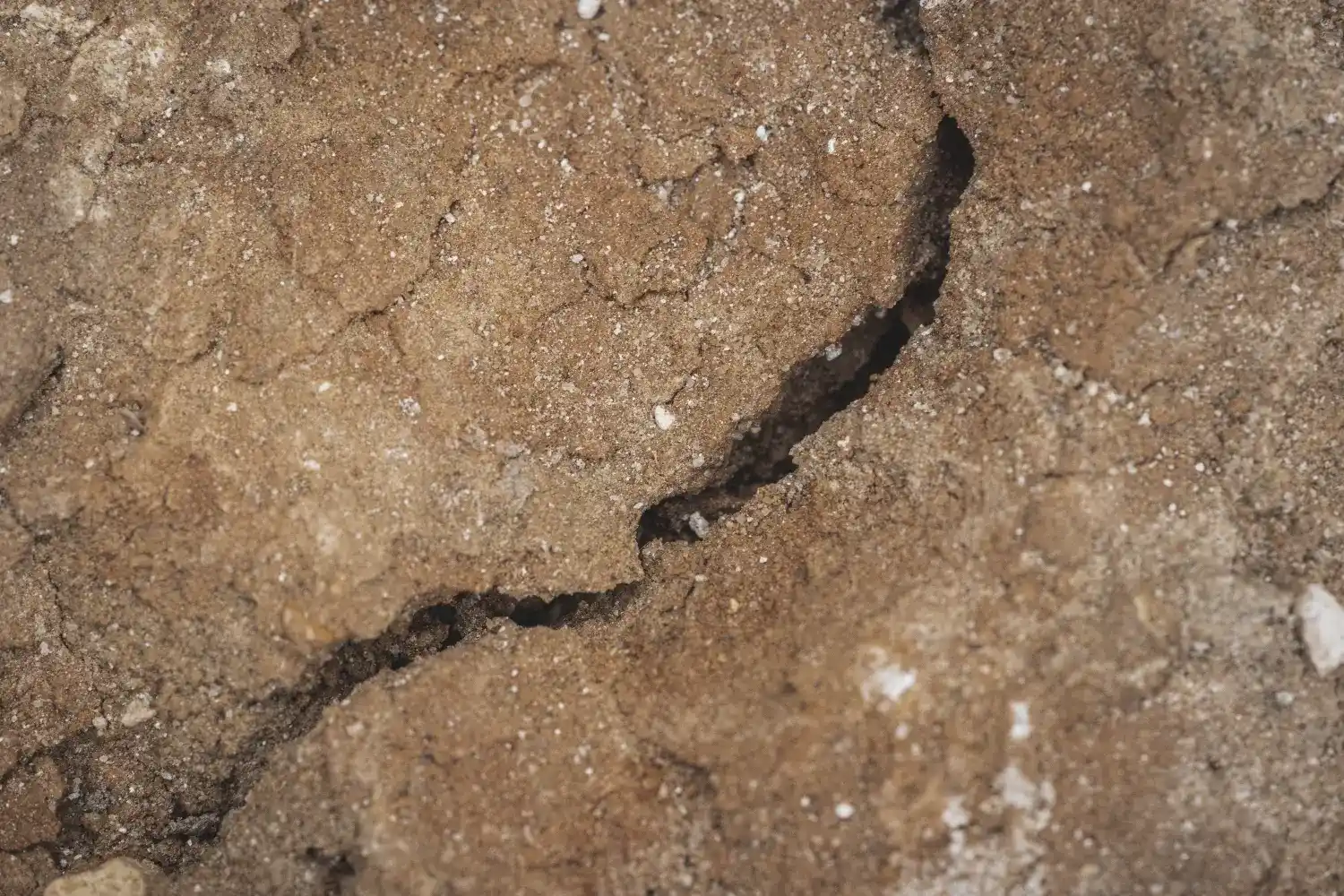
The village is crossed by a watershed and hidden natural springs that flow naturally to supply the entire village. The water in Chigny naturally has an exceptional purity and is rich in minerals. The springs have been flowing naturally from this fault in the rock without interruption since 1820.
"The sources bring a natural minerality and a unique character to our vintages..."

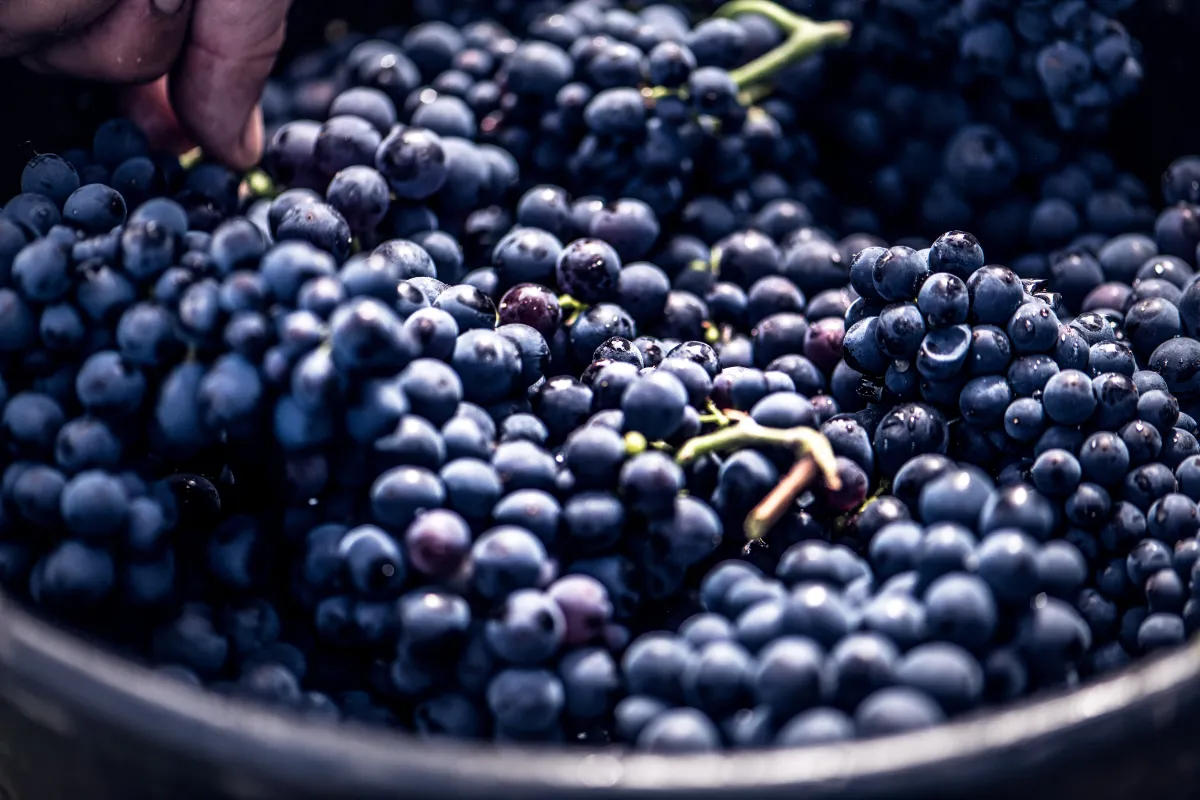
Meunier is the king of grape varieties in Chigny-les-Roses, particularly renowned for its intense, distinguished fruitiness. Pinot Noir provides structure.
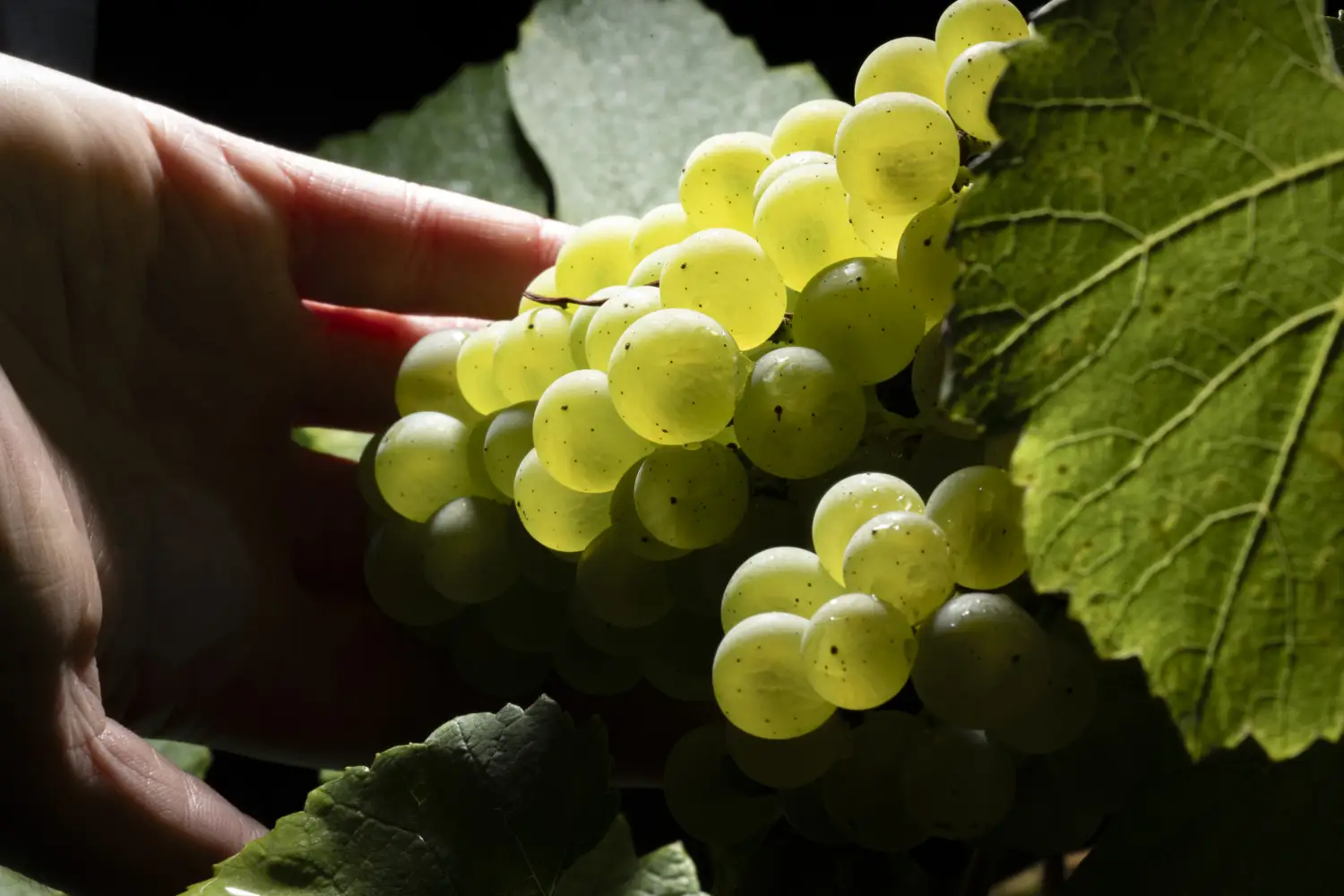
The uniqueness of our estate lies in having a large proportion of Chardonnays in Chigny-les-Roses, planted in 1969 by Cécile. This is the result of Cécile's love affair with old vintages, which led her to plant Chardonnays in Chigny les Roses in 1969. A true pioneer, this is now one of the secrets behind the fruity elegance of our champagnes.
My grandmother liked to say, "Here, you have to tame the Meunier..." meaning you have to monitor its ripeness very closely to achieve a bright, aromatic fruitiness. Our vineyard is irrigated by natural springs that guarantee a fresh fruitiness to the Meunier. A real treat. The Pinot Noir brings structure and power to our wines.
The Chardonnays of Chigny-les-Roses "Chardonnays that pinot," said the elders. The thin layer of clay on the surface produces silky Chardonnays that are rich on the palate, with a pure and fresh finish. To counterbalance the fruity power of the Pinot, we benefit from a significant proportion of Chardonnays, which is rare in our sector and ensures significant aging potential.
"Le Meunier from Chigny-les Roses is classified as Premier Cru for the elegance of its fruitiness..."
The richness of our wines stems from the possibility of blending around thirty plots, all classified as premier cru, from old vines.
Our oldest vines date back to 1956, and their low yields contribute to the aromatic intensity of our wines. Our numerous blending tastings aim to enhance the uniqueness of each plot by bringing them together.
Our oldest vines receive special care to avoid crushing their roots by compacting the soil. These precious treasures must be preserved for future generations. Each of our 29 plots will produce grapes and aromas that are unique to it. Our blending tasting work aims to find how one wine can enhance another. The nuances are subtle but increase tenfold over time. This is where precision and memory come into play...
"While the trend is toward single-plot wines, I strongly advocate for the complementarity of plots — we are stronger together!"
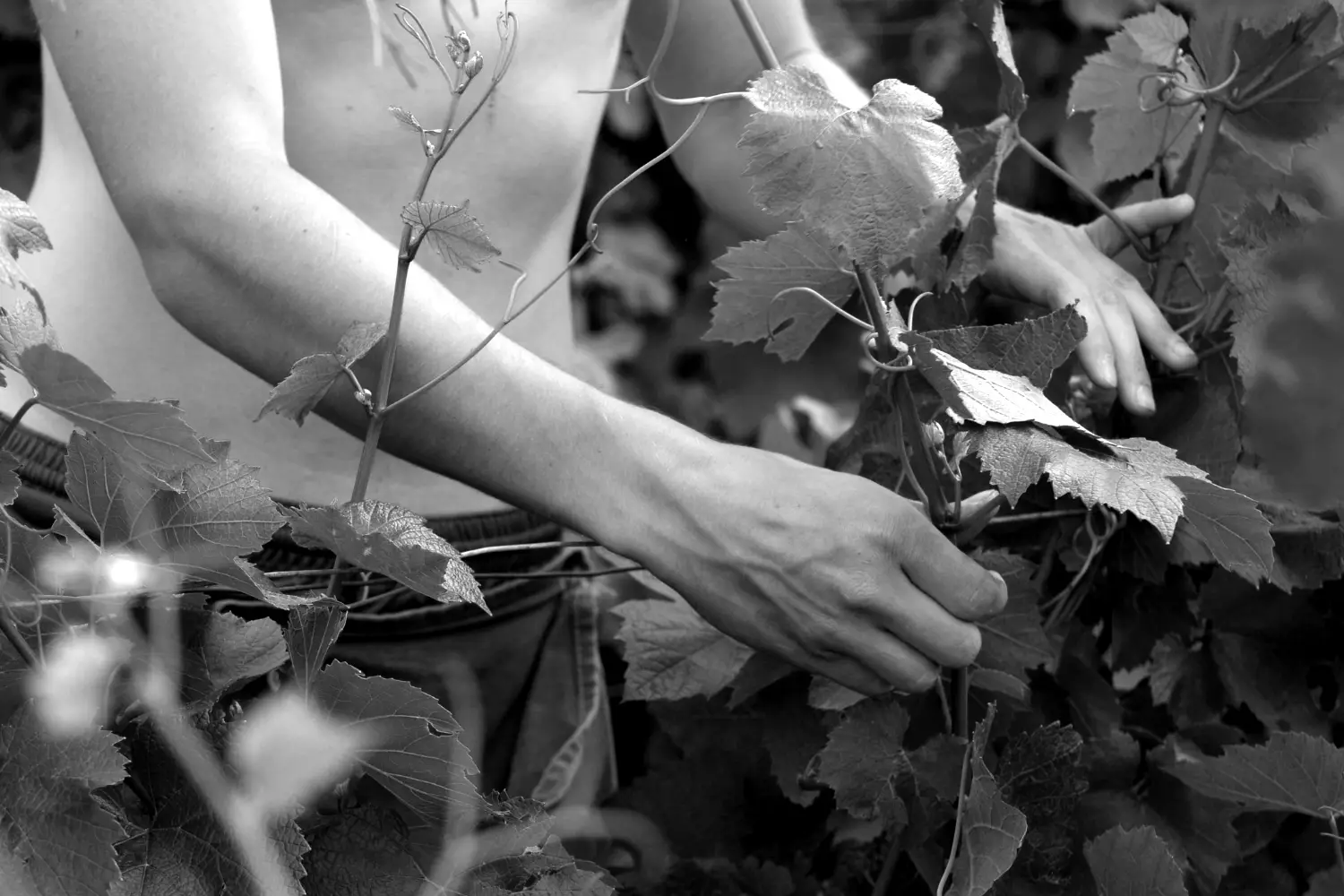
Manual labor is always prioritized, and observation is at the heart of our philosophy.
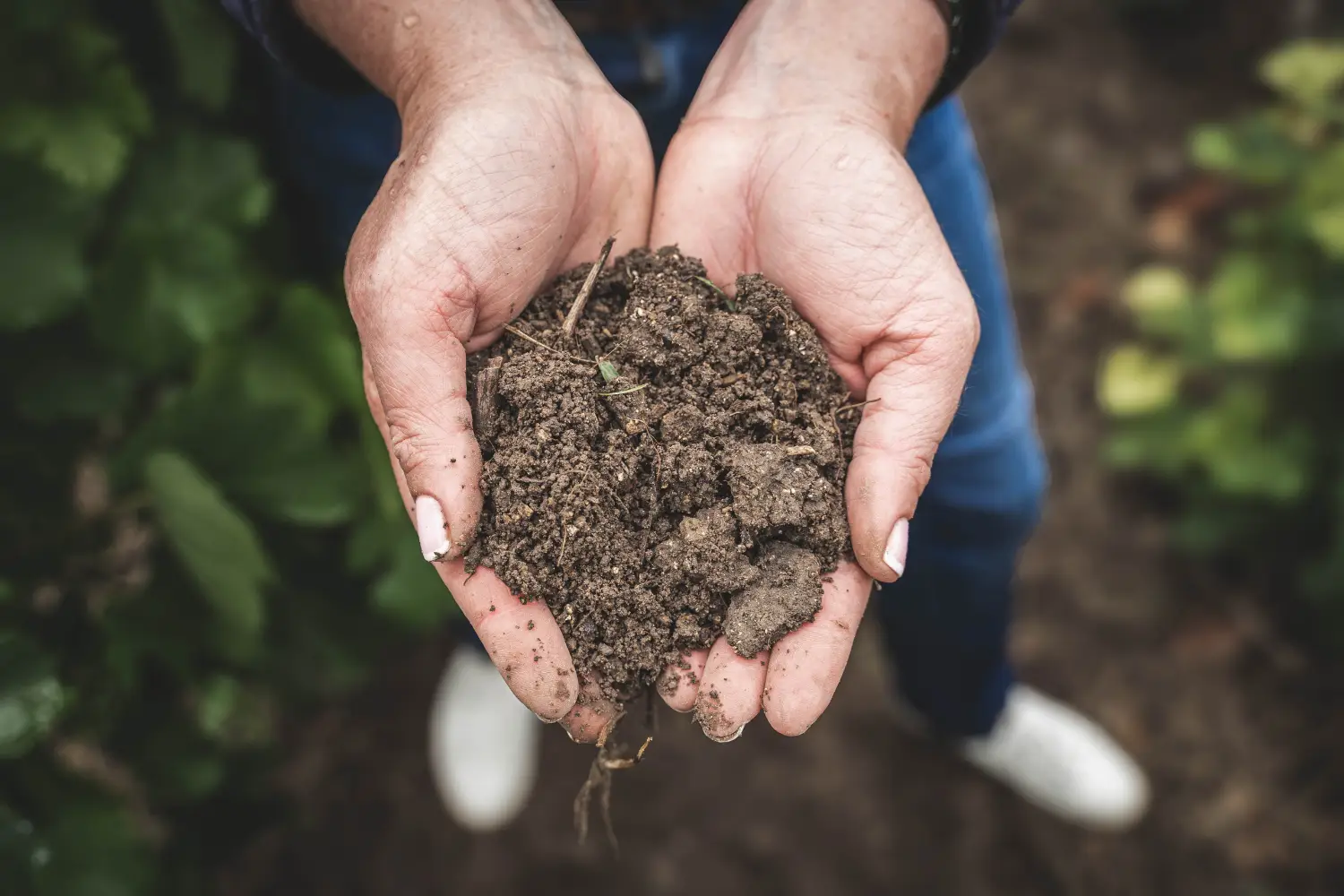
Hugues, a man of the land, uses his expertise to interpret the signals sent by nature. He maintains the visible but also the invisible by promoting soil life.
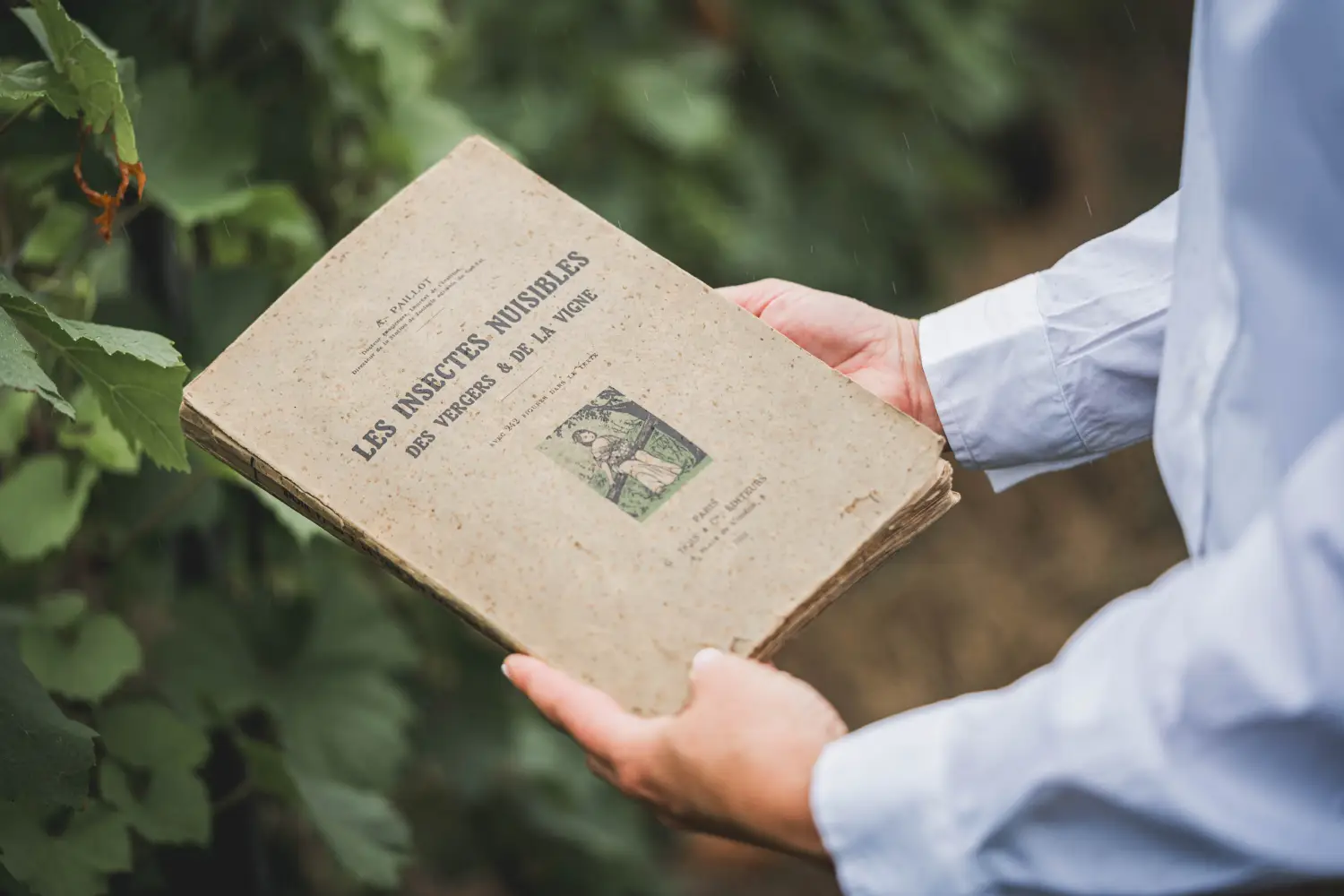
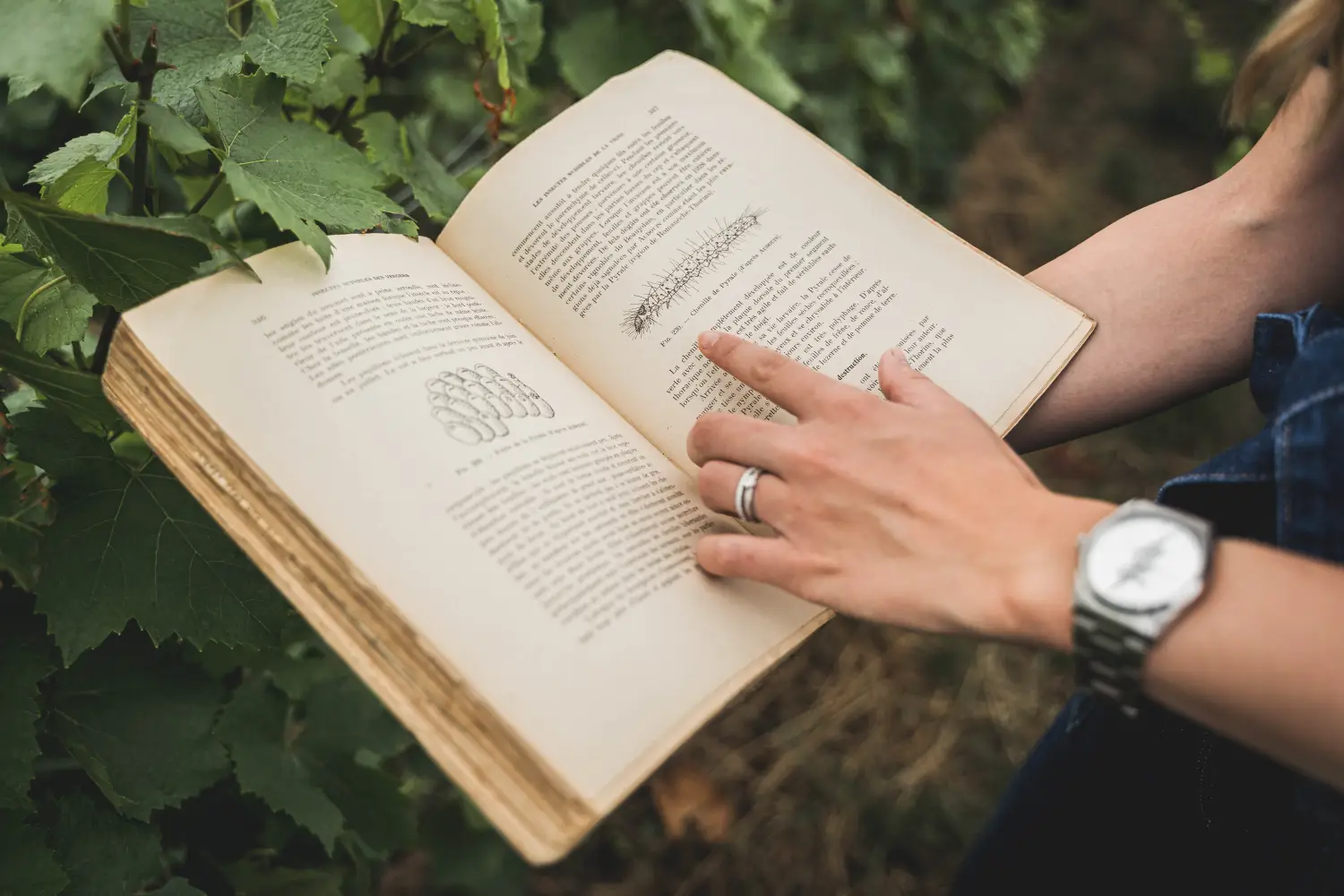
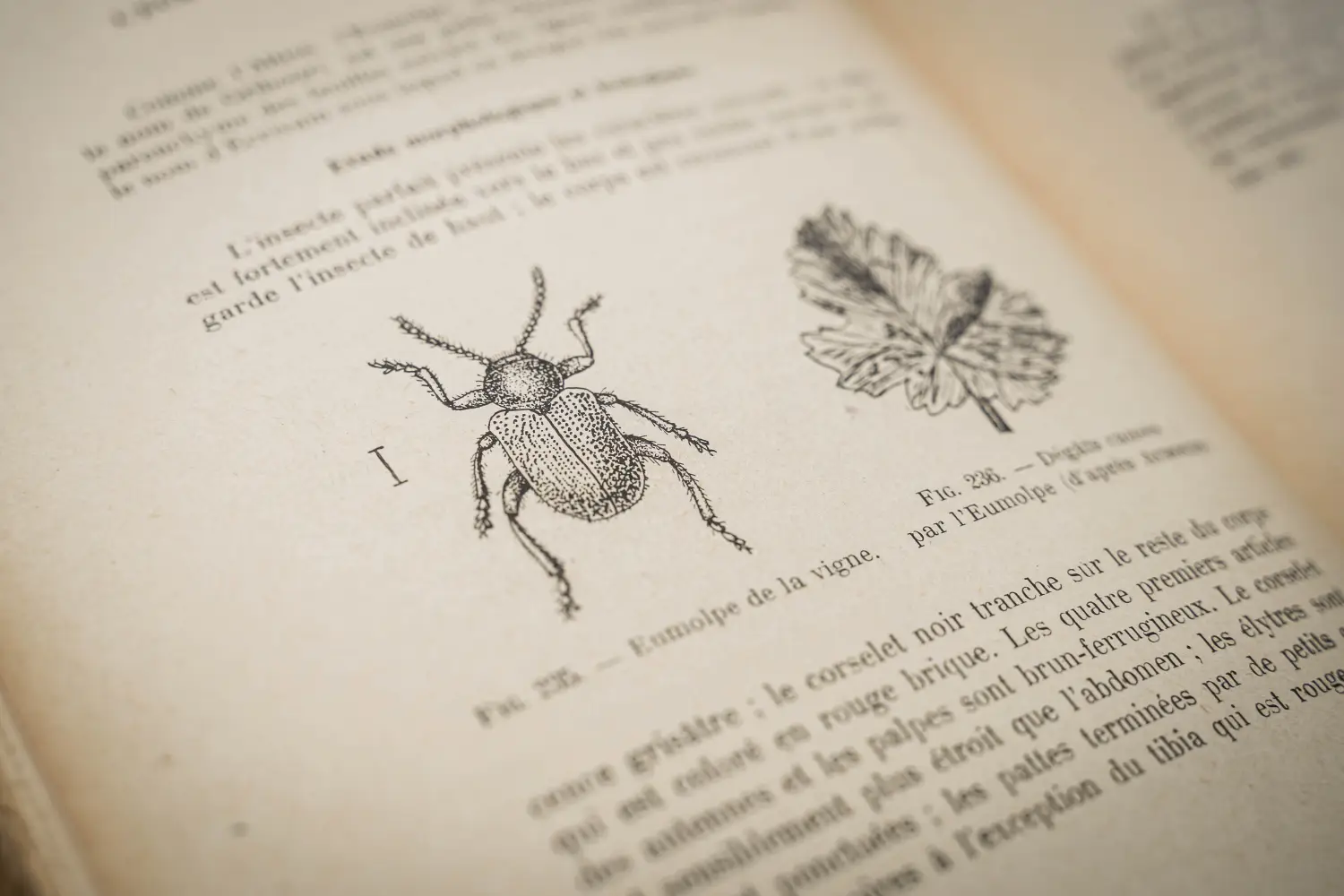
Since 1999, we are committed to sustainable viticulture by not using insecticides. Chigny-les-Roses was one of three pilot villages to test pheromone traps. Today we use more environmentally friendly puffers. Our current priority is to improve the health of our soils by limiting compaction and promoting biodiversity (fauna and flora).
Double certification HVE level 3 and Sustainable Viticulture in Champagne (CIVC).
A living soil and subsoil
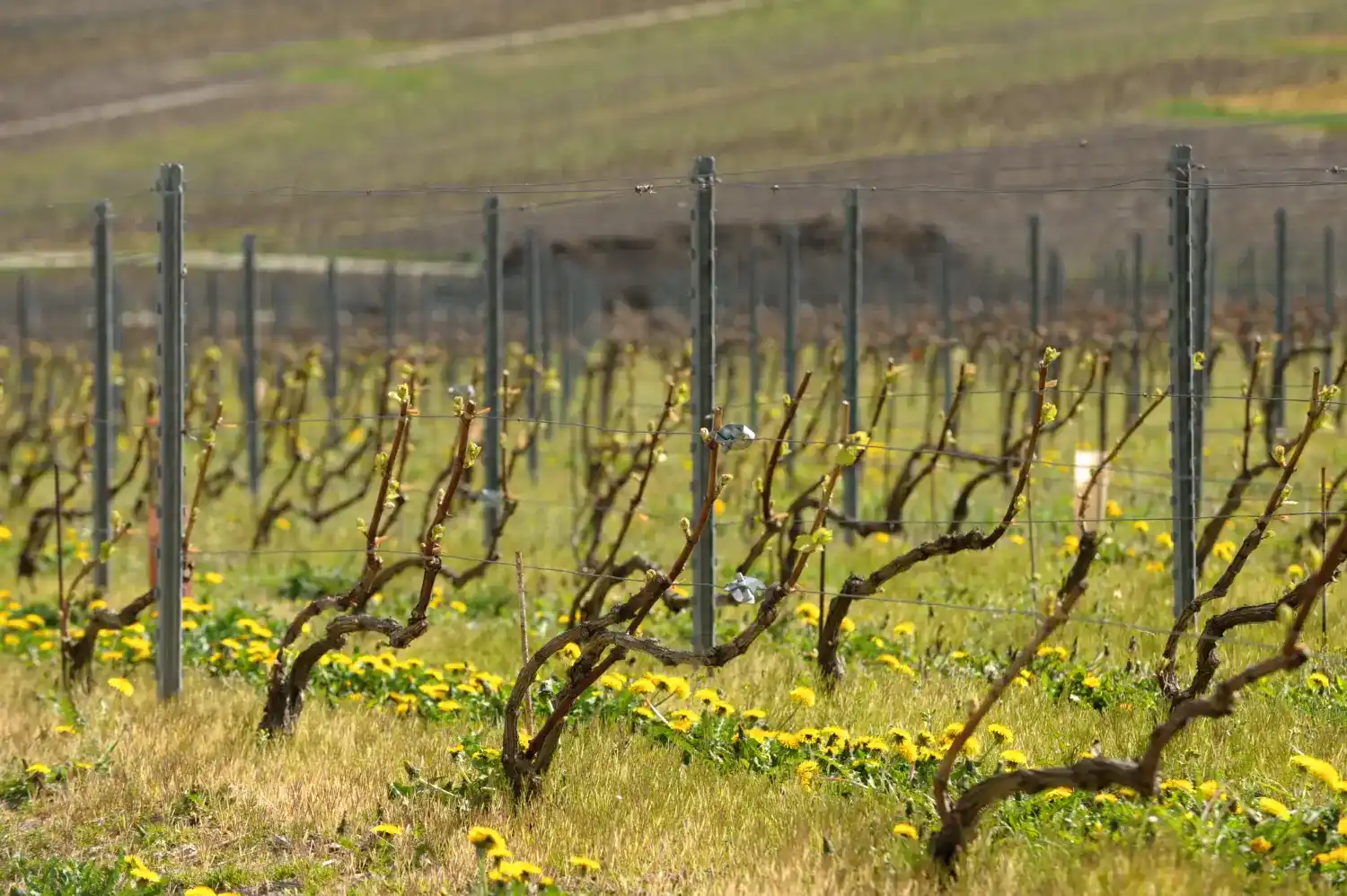
Soil management is tailored to the personality of each plot so to manage the grass: scratching, plowing, or grassing, depending on the vigor and personality of each vine. Fertilization is organic-mineral and adapted to mineral requirements. We have analyses of our reserve wines that certify that they are free of pesticide residues .
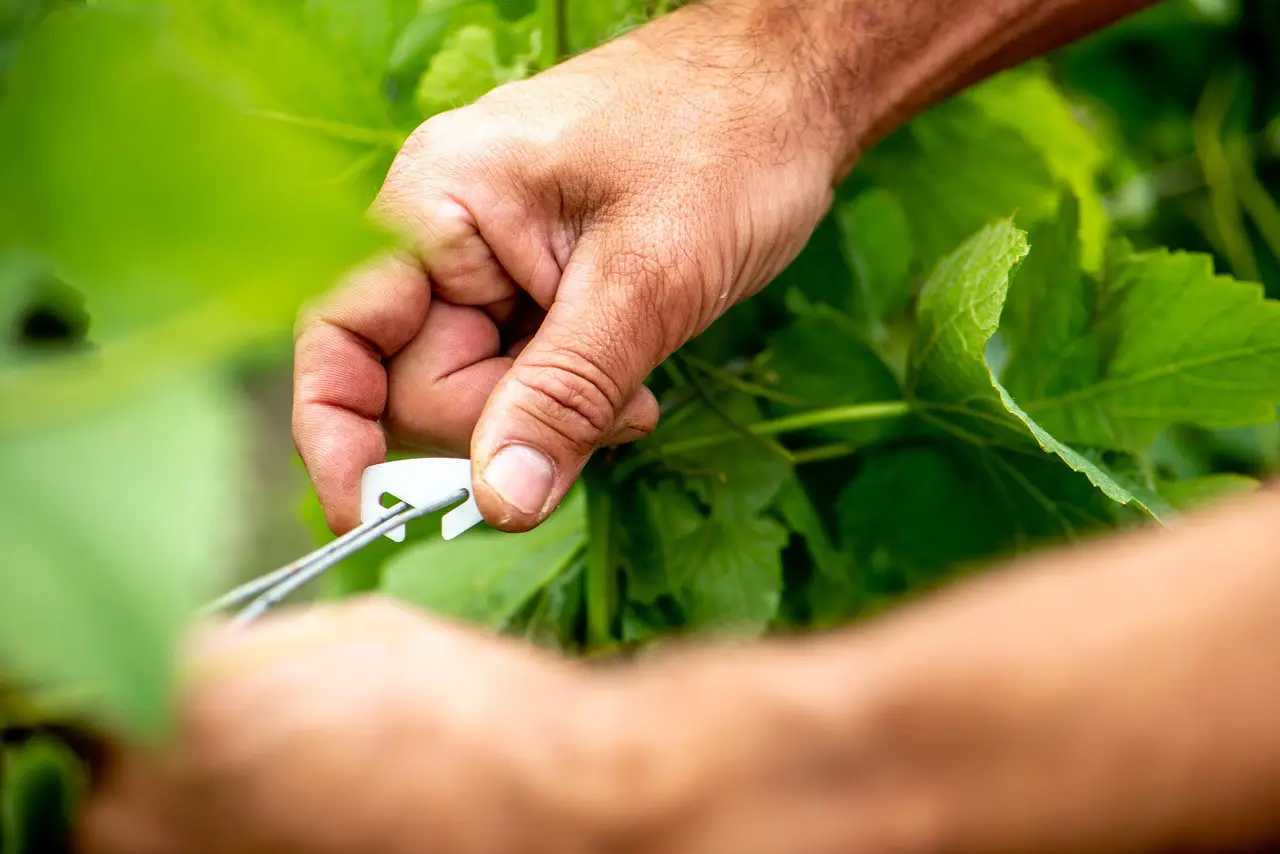
"Strict pruning and trellising each vine individually ensure natural ventilation. This is the best way to combat disease and pass on a healthy planet to our children..."
This site has been optimized for vertical navigation on mobile devices.
Please switch back to portrait mode.